Exercise Snacks
From: Puta C, Reuken P, Katzer K, Gabriel M, Dudziak D, Stallmach A. Exercise Snacks. Friedrich-Schiller-University Jena / University Hospital Jena, 2025.
Table of Contents
- Exercise Snacks — Concept and Clinical Evidence
- Physiological Mechanisms of Short Training Bouts
- Prescription and Clinical Translation
1 Exercise Snacks — Concept and Clinical Evidence
Learning objectives:
- Definition and typical format of Exercise Snacks (≤1 min bouts, ≥64 % V̇O₂peak / ≥77 % HRmax, several times per day)
- The four evidence domains: glycaemic control, muscular adaptation, cardiovascular mortality (VILPA), immune function
- Insulin-independent GLUT4 translocation and muscle-derived IL-6 as the two mechanistic anchors
1.1 The Clinical Case
Imagine the following situation. A 53-year-old patient with arterial hypertension and a prediabetic metabolic state (HbA1c 6.4 % / 47 mmol/mol) at a BMI of 31.4 kg/m² (105 kg at 183 cm), waist circumference ~100 cm (notable visceral fat), engages in only light daily activity (~2000–4000 steps/day) and works as a deputy branch manager in banking. You discuss the importance of physical activity for his prediabetes and hypertension and recommend “Exercise Snacks” as a starting point. He replies: “No, I don’t have time for that — I have so much to do professionally.” Your answer: start with Exercise Snacks. He asks: “What is that? I’ve never heard of it.”
Aim. To present the significance of small exercise bouts — “Exercise Snacks” — in an evidence-based manner. The cardiorespiratory, cardiometabolic and immunological adaptations they produce should motivate integrating brief, repeated strenuous exertions into everyday life (Shen 2022; Francois et al. 2014; Wang et al. 2024). Implementing Exercise Snacks could be a key strategy for starting or resuming physical activity (Shen 2022).
1.2 Definition and Characterisation
There is a clear need for practical activity recommendations that simultaneously improve cardiorespiratory fitness and reduce the effects of inactivity on cardiometabolic health. “Exercise Snacks” are defined as isolated, brief, intense exertions that can be performed multiple times per day (Islam et al. 2022), particularly effective around mealtimes to maximise metabolic effects (Chen et al. 2025).
Typical format. One of the first protocols comprised an 11-minute bout (6 × 1-minute snacks with 1-minute recovery) plus a 5-minute warm-up and 3-minute cool-down, performed three times per day before meals (Francois et al. 2014). Exercise Snacks involve brief phases (≤1 min) at high intensity (≥64 % V̇O₂peak, ≥77 % of maximal heart rate) (Chen et al. 2025); later studies extended the concept to short (<10-minute) phases across the morning and afternoon (Shen 2022; Francois et al. 2014; Wang et al. 2024; Stamatakis et al. 2022).
Simple execution. Stair climbing, short sprints, intensive uphill walking intervals, or body-weight exercises (e.g. 1 minute of sit-to-stand) (Shen 2022).
1.3 Exercise Snacks and Energy Metabolism
Summary of evidence-based effects on energy metabolism, muscular adaptations, aerobic capacity and immunological signalling pathways of Exercise Snacks (created in BioRender; Puta C, 2025).
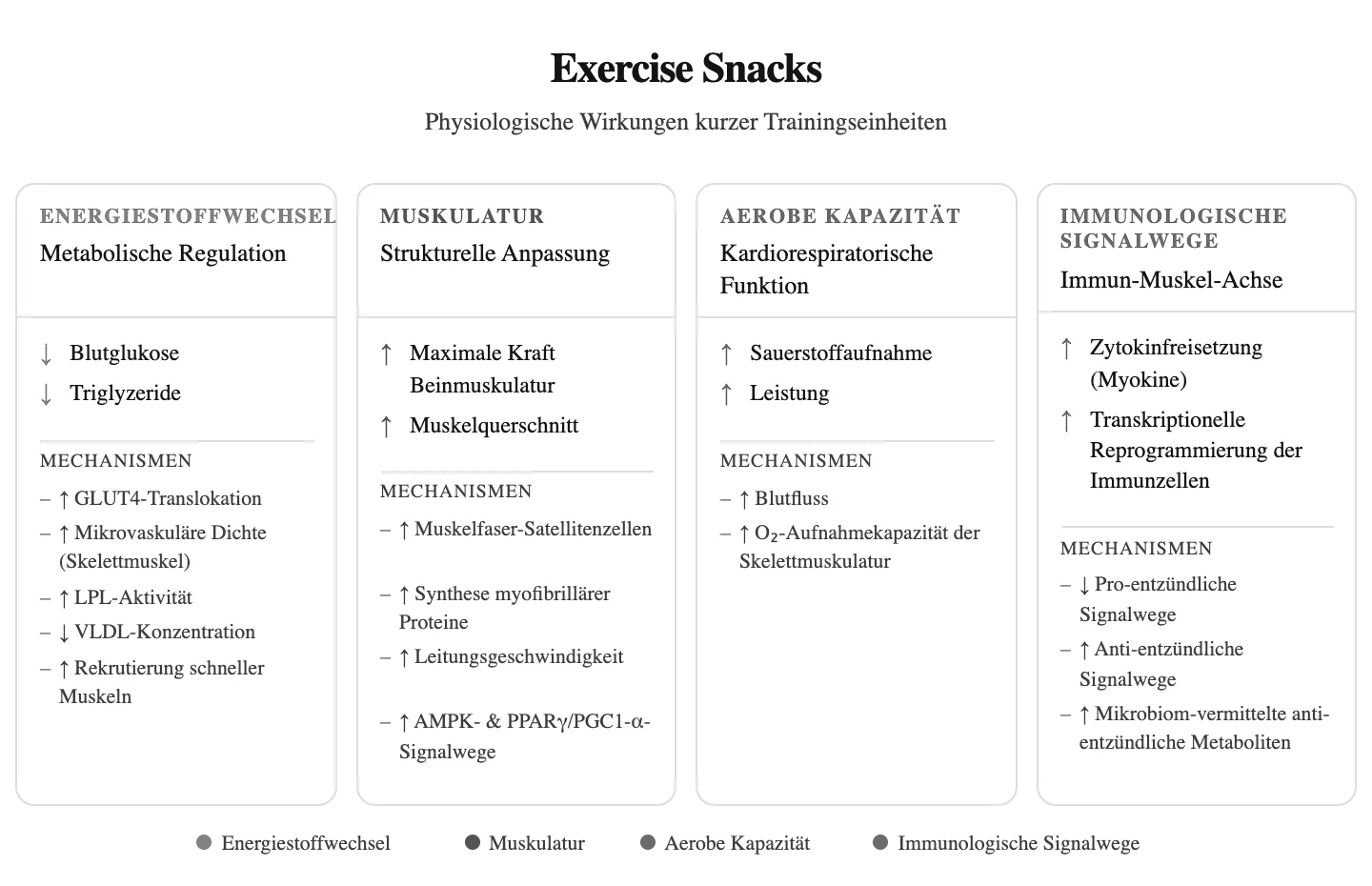
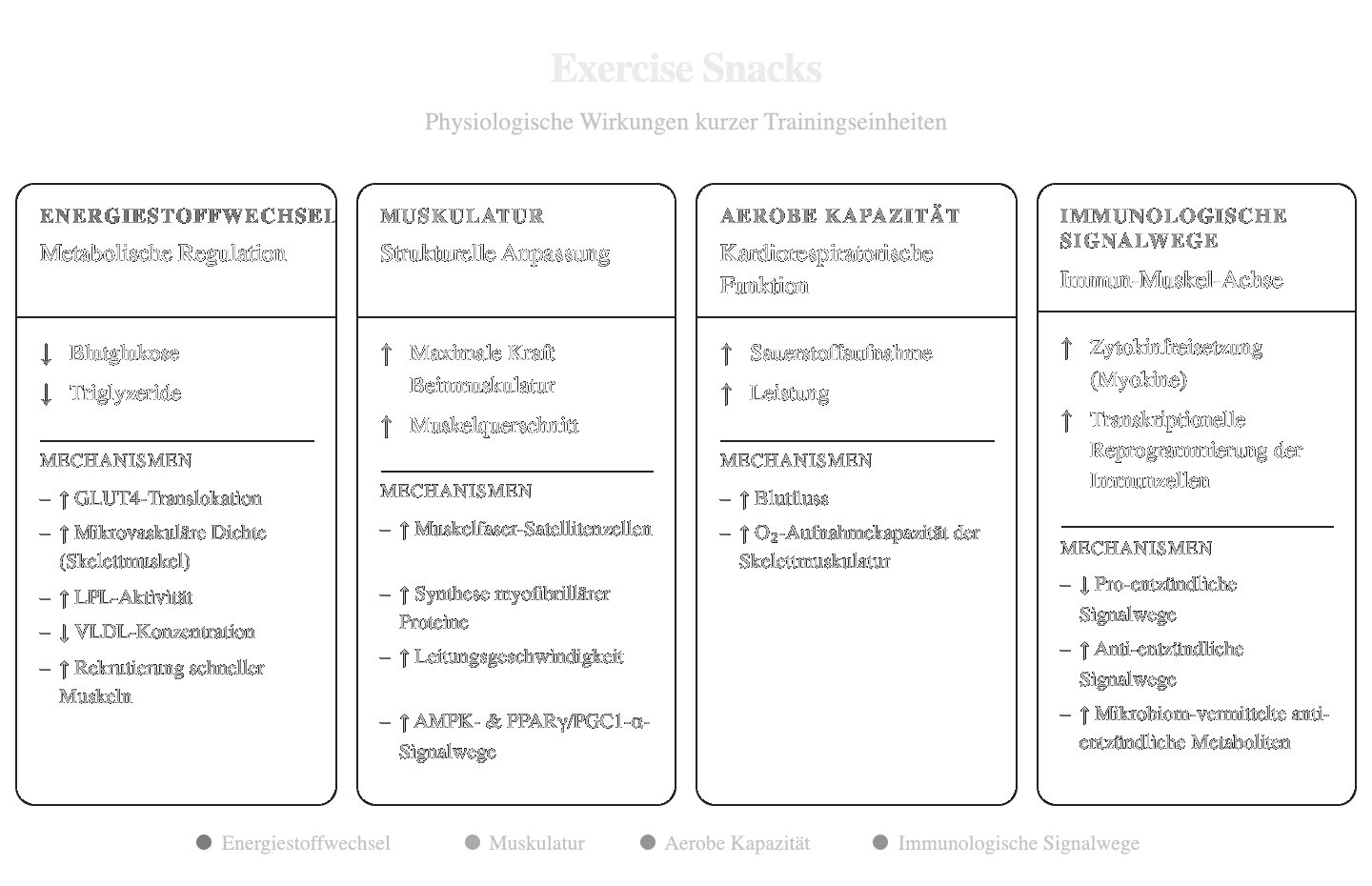
Summary of evidence-based effects on energy metabolism, muscular adaptations, aerobic capacity and immunological signalling pathways of Exercise Snacks (created in BioRender; Puta C, 2025).
Brief, frequent, intensive exertions around mealtimes reproducibly improve postprandial glycaemia and insulin sensitivity. A crossover study reported a one-day and 24-hour reduction of mean blood glucose (~0.7 mmol/L over 24 h) and a ~1.4 mmol/L reduction of the 3-hour postprandial glucose after breakfast versus continuous training in insulin-resistant adults (Carter & Solomon 2020). Meta-analyses show strong effects on maximal oxygen uptake (increase) and total and LDL cholesterol (decrease) (Chen et al. 2025; Wan et al. 2025); protocols that reduce adipocyte size and improve glycaemic control produce greater reductions of basal inflammatory markers (Metsios & Kitas 2018; Costa Pereira et al. 2024). The insulin-sensitivity benefit of multiple short daily snacks can be lost with brief cessation, indicating that chronic adaptations require continuous stimulation (Costa Pereira et al. 2024).
Left: blood glucose after a meal preceded by six one-minute exercise snacks versus a no-exercise control; the shaded area is the difference in glycaemic excursion. Right: the two summary effects — a ~1.4 mmol·L⁻¹ lower 3-hour postprandial peak after breakfast and a ~0.7 mmol·L⁻¹ lower 24-hour mean glucose, in insulin-resistant adults (Carter & Solomon 2020).
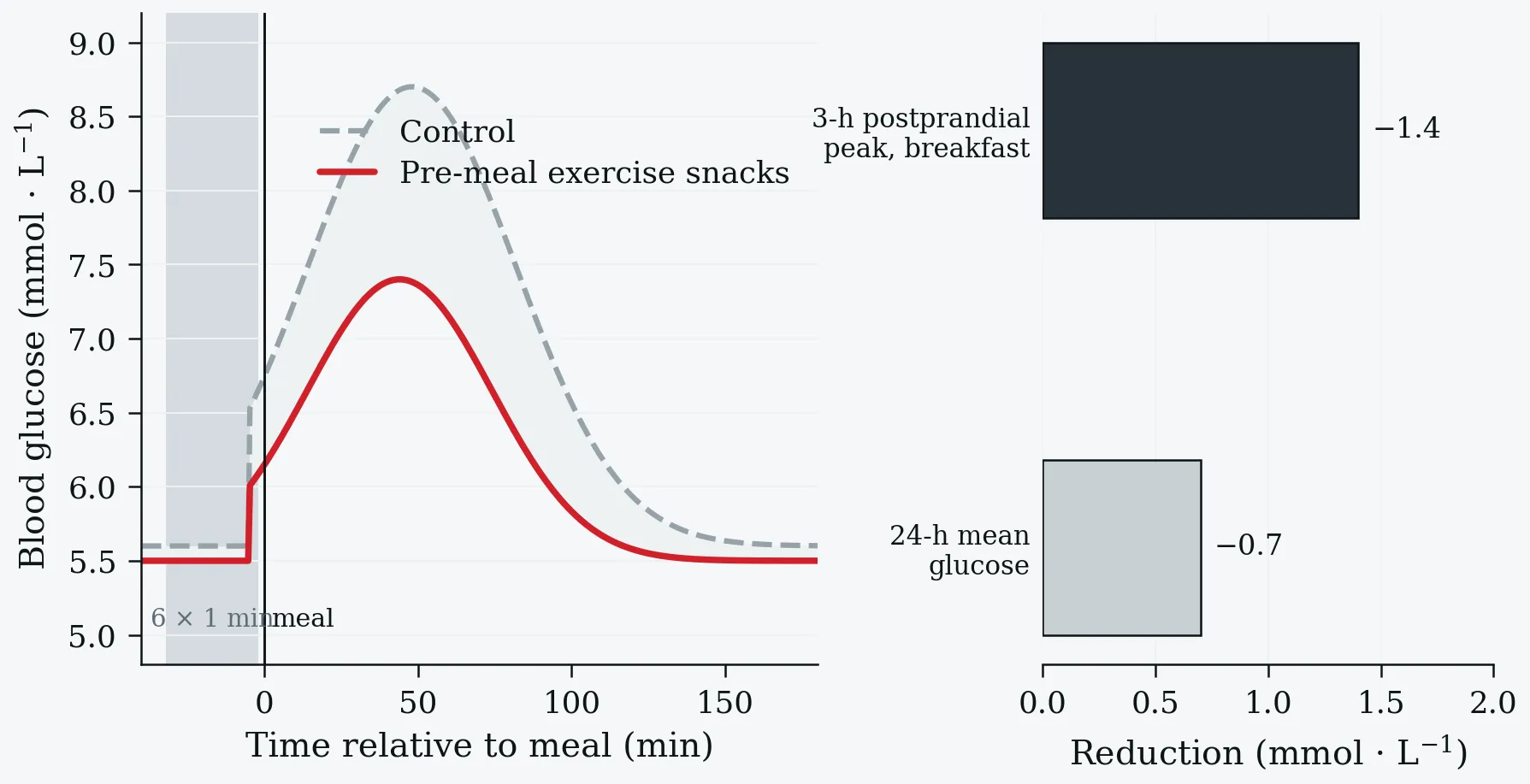
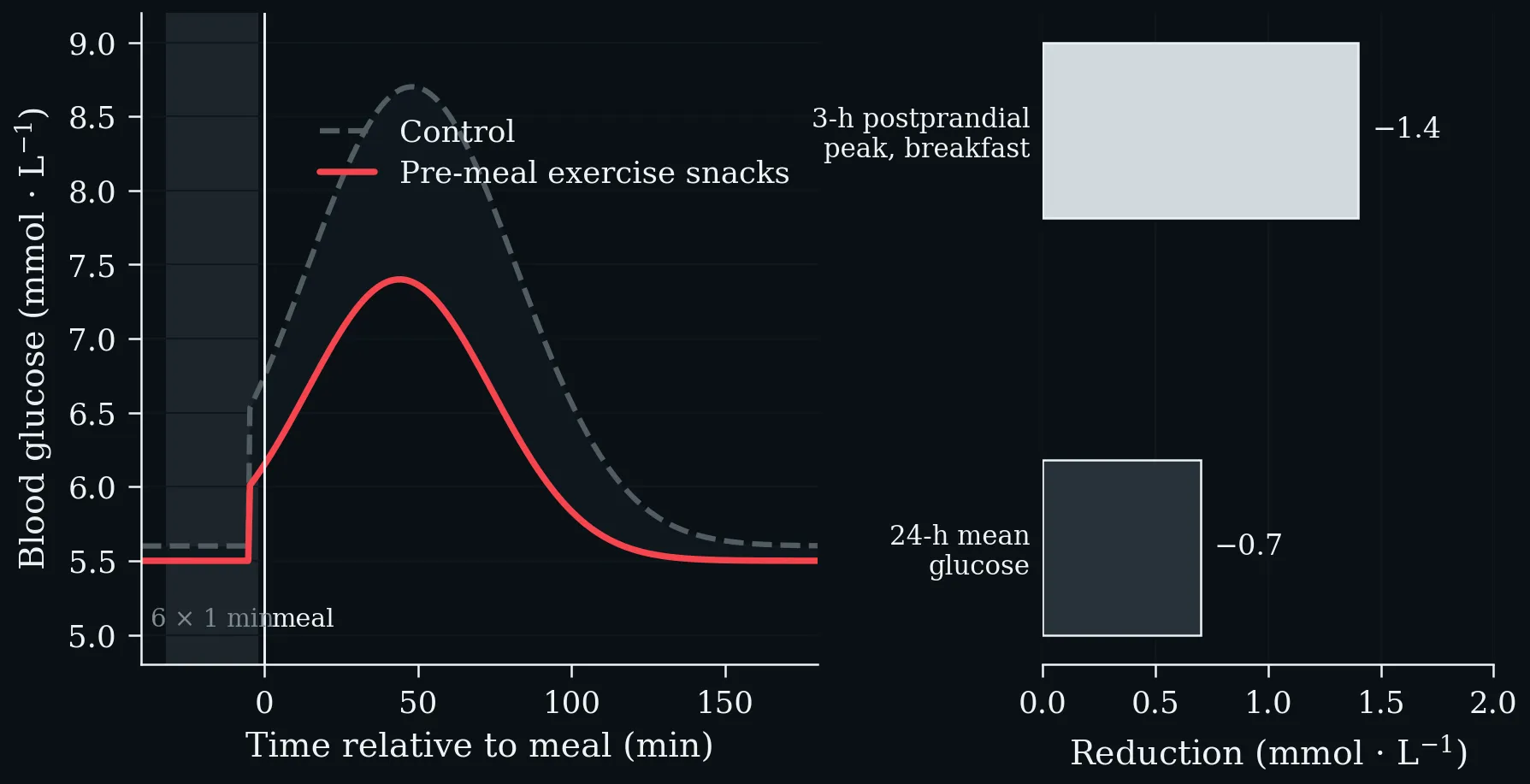
Left: blood glucose after a meal preceded by six one-minute exercise snacks versus a no-exercise control; the shaded area is the difference in glycaemic excursion. Right: the two summary effects — a ~1.4 mmol·L⁻¹ lower 3-hour postprandial peak after breakfast and a ~0.7 mmol·L⁻¹ lower 24-hour mean glucose, in insulin-resistant adults (Carter & Solomon 2020).
The metabolic basis is that these brief, predominantly anaerobic-lactacid exertions move glucose into muscle insulin-independently. During exertion, GLUT4 is translocated from intracellular vesicles to the plasma membrane by muscle contraction — insulin-independently — so both insulin and physical activity raise cell-surface GLUT4 (Lawrence 1926; Roy & Marette 1996; Flores-Opazo et al. 2020). Acute exertion can raise cell-surface GLUT4 by ~50 % immediately after training (Schnurr et al. 2015).
Practical insight. Brief, intensive Exercise Snacks before or shortly after meals are an evidence-based, time-efficient strategy for reducing postprandial glycaemia and improving insulin-related parameters in prediabetes and risk patients (Carter & Solomon 2020; Chen et al. 2025; Wan et al. 2025; Bellini et al. 2024) — directly addressing our patient’s prediabetic risk profile. For weight reduction, the concept is expanded to 3×/week of 4 × 4 min at 85–95 % HRmax / 3 min at 60–70 % HRmax (30–40 min total), with an expected additive ~3 % reduction of visceral and liver fat.
1.4 Exercise Snacks and Muscular Adaptations
Four weeks of daily 5 × 1 min (morning) and 5 × 1 min (evening) with 1-minute pauses (sit-to-stand, seated knee extension, walking-on-the-spot vs standing TV watching) produced a 31 % improvement in the 1-minute sit-to-stand test, a 6 % increase in maximal leg strength, and a 2 % increase in thigh muscle cross-sectional area (Perkin et al. 2019). Despite their brevity, Exercise Snacks of large muscle groups activate classical intracellular signalling (AMPK) and transcriptional regulators (PGC-1α) involved in oxidative muscle remodelling (Babir et al. 2025).
Practical insight. Simple large-muscle-group exercises counteract age- or disease-related muscle wasting (sarcopenia). Preserved muscle mass matters for immuno-metabolic effects (prediabetes, metabolic syndrome). Our patient gains strength and shifts toward fat-free mass; muscular effects (more strength) are usually noticeable sooner than the longer-term effects of weight reduction.
1.5 Exercise Snacks and Cardiovascular Disease (VILPA)
Exercise Snacks align with the revised WHO guidelines on physical activity and sedentary behaviour (Bull et al. 2020), which removed the previous requirement that activity occur in bouts of ≥10 minutes. The underlying evidence refers to vigorous intermittent lifestyle physical activity (VILPA). In a UK Biobank sample of 25,241 non-athletes (mean age 61.8 y; 14,178 women / 11,063 men) (Stamatakis et al. 2022):
- compared with no VILPA, 3 × 1–2 min VILPA per day was associated with a 38–40 % reduction in all-cause and cancer mortality risk and a 48–49 % reduction in cardiovascular mortality risk;
- a single daily duration of 4.4 min/day was associated with a 26–30 % reduction in all-cause and cancer mortality risk and a 32–34 % reduction in cardiovascular mortality risk (Stamatakis et al. 2022).
Reduction in mortality risk associated with vigorous intermittent lifestyle physical activity, by outcome. Three separate bouts of 1–2 min per day are associated with larger reductions than a single daily bout of 4.4 min, and the effect is largest for cardiovascular mortality. UK Biobank, n = 25,241 non-exercisers, mean age 61.8 y (Stamatakis et al. 2022).
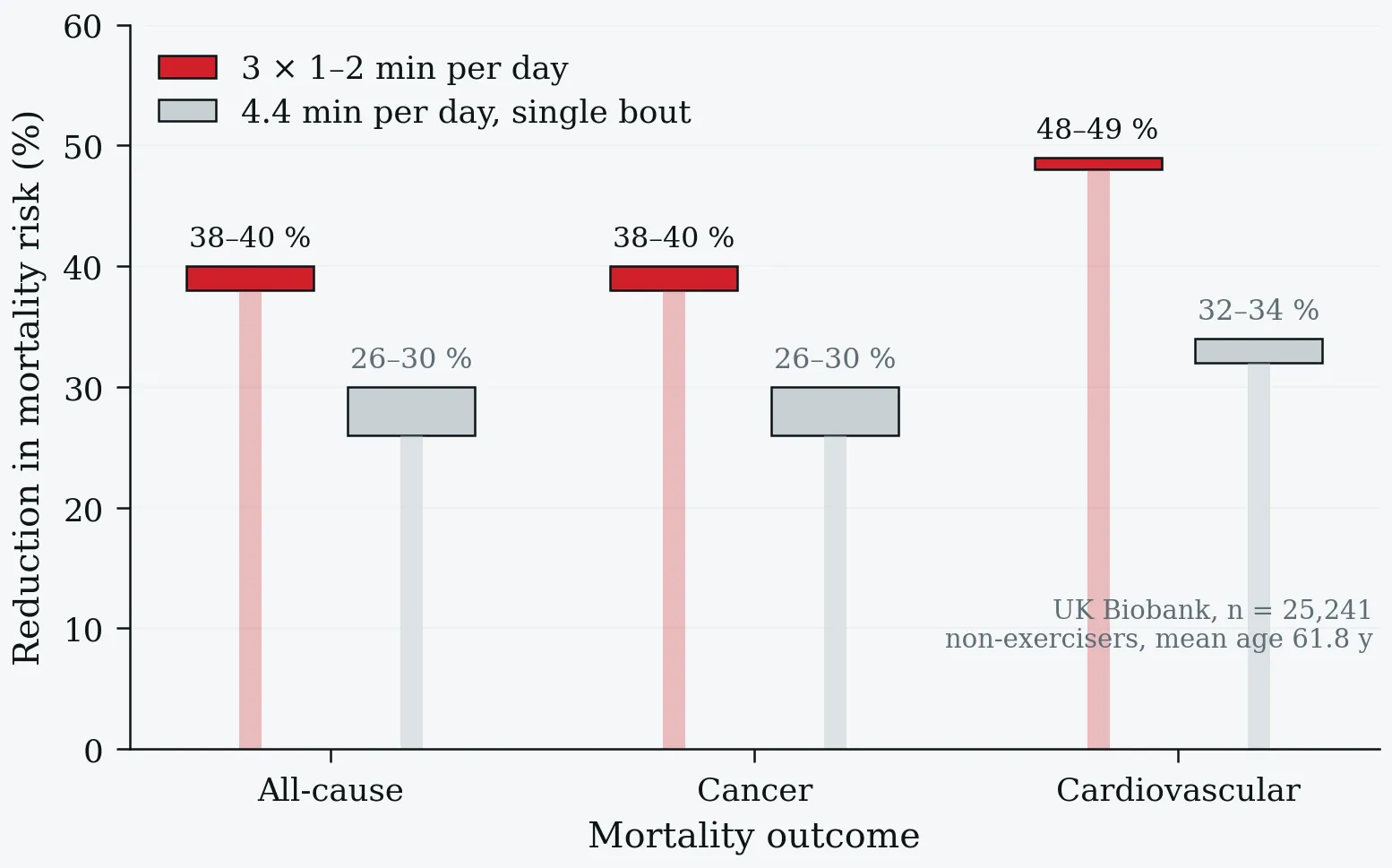
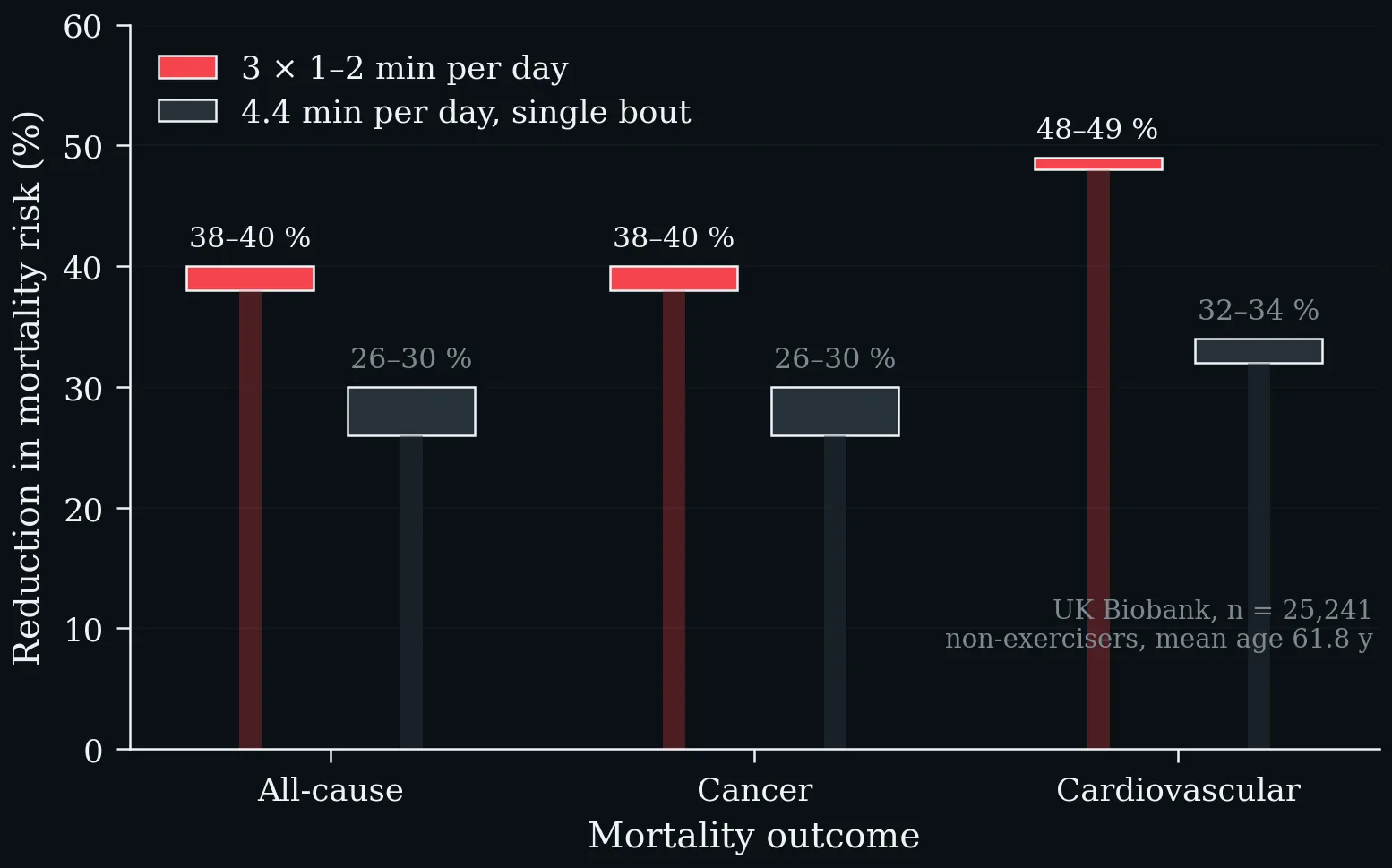
Reduction in mortality risk associated with vigorous intermittent lifestyle physical activity, by outcome. Three separate bouts of 1–2 min per day are associated with larger reductions than a single daily bout of 4.4 min, and the effect is largest for cardiovascular mortality. UK Biobank, n = 25,241 non-exercisers, mean age 61.8 y (Stamatakis et al. 2022).
These effects reflect, among other things, increased capillary density and mitochondrial content, enhancing skeletal-muscle gas exchange and oxygen uptake. Our patient thus benefits from daily 3 × 1–2-minute strenuous Exercise Snacks — even as a non-athlete — with a marked reduction in cardiovascular and cancer risk.
1.6 Effects on Immune Function and Inflammatory Markers
One of the most important medical discoveries of the past two decades is that the immune system and inflammation are involved not just in selected diseases but in a multitude of health problems determining morbidity and mortality (Slavich 2015; Netea et al. 2017). More than 50 % of all deaths are attributable to inflammation-related diseases — ischaemic heart disease, stroke, cancer, type 2 diabetes, chronic kidney disease, NAFLD, and autoimmune and neurodegenerative diseases (GBD 2017 Causes of Death Collaborators 2018).
1.6.1 Fundamentals: Physical Activity and the Immune System
Cell mobilisation during exertion. Acute exertions (brief interval-like, anaerobic-lactacid, or ≥~20 min continuous at the individual anaerobic threshold) transiently increase blood immune cells, driven by (i) release of adrenaline, noradrenaline and cortisol, (ii) increased vascular/tissue shear forces, and (iii) rising blood pressure — depending on intensity, type and duration.
Immune surveillance after exertion. Some mobilised lymphocytes migrate from blood into tissues (lung, bone marrow, GI tract) for surveillance; other cells (e.g. neutrophils) keep rising in blood after strenuous exertion.
Myokines. Muscle contraction releases anti-inflammatory messengers (myokines/exerkines) that act locally (reducing skeletal-muscle insulin resistance), stimulate whole-body fat burning, and exert anti-inflammatory effects.
Regular activity and immune competence. Regular activity reduces the risk of chronic low-grade-inflammation diseases (T2DM, cardiovascular disease) via enhanced immunological tissue surveillance, altered immune-cell function, and stimulation of anti-inflammatory signalling.
1.6.2 Exercise Snacks: Pro- and Anti-inflammatory Effects
The effects are context-dependent: brief intensive exertions produce transient IL-6 increases; with repeated snacks, longer-term reductions of IL-6 and CRP are seen, while TNF-α effects are inconsistent (Francois et al. 2014). Exercise Snacks induce acute modulation of immune signals, gene expression and microbiome-mediated pathways, and can alter immunometabolic status (Soltani et al. 2020; Sohail et al. 2019; Radom-Aizik et al. 2014; Haunhorst et al. 2022; Ringleb et al. 2024).
Acute exertion-induced effects. Exertion-induced IL-6 (a myokine) acts as a metabolic signal promoting hepatic glucose production and lipolysis and — instead of driving NF-κB/TNF inflammation — promotes anti-inflammatory mediators (IL-10, soluble TNF receptors, IL-1ra) (Metsios & Kitas 2018), lasting up to ~6 hours post-exertion (Kliszczewicz et al. 2019; Radom-Aizik et al. 2014; Metsios & Kitas 2018).
Longer-term changes. Programmes with Exercise Snacks can lower resting IL-6 and CRP in overweight/obese youth and adults; combined training with calorie restriction lowers CRP and can positively influence IL-6 and TNF-α in non-sedentary adults (Khalafi et al. 2024; Guo et al. 2024; Liu et al. 2021).
Bottom line for our patient. Muscle-expressed IL-6 differs from IL-6 in non-exertion inflammation: it stimulates hepatic glucose production and lipolysis and induces anti-inflammatory signalling, achieving an overall reduction of the systemic inflammatory state.
Exercise Snack protocols and anti-inflammatory efficacy (data: literature analysis). HIIT: high-intensity interval training.
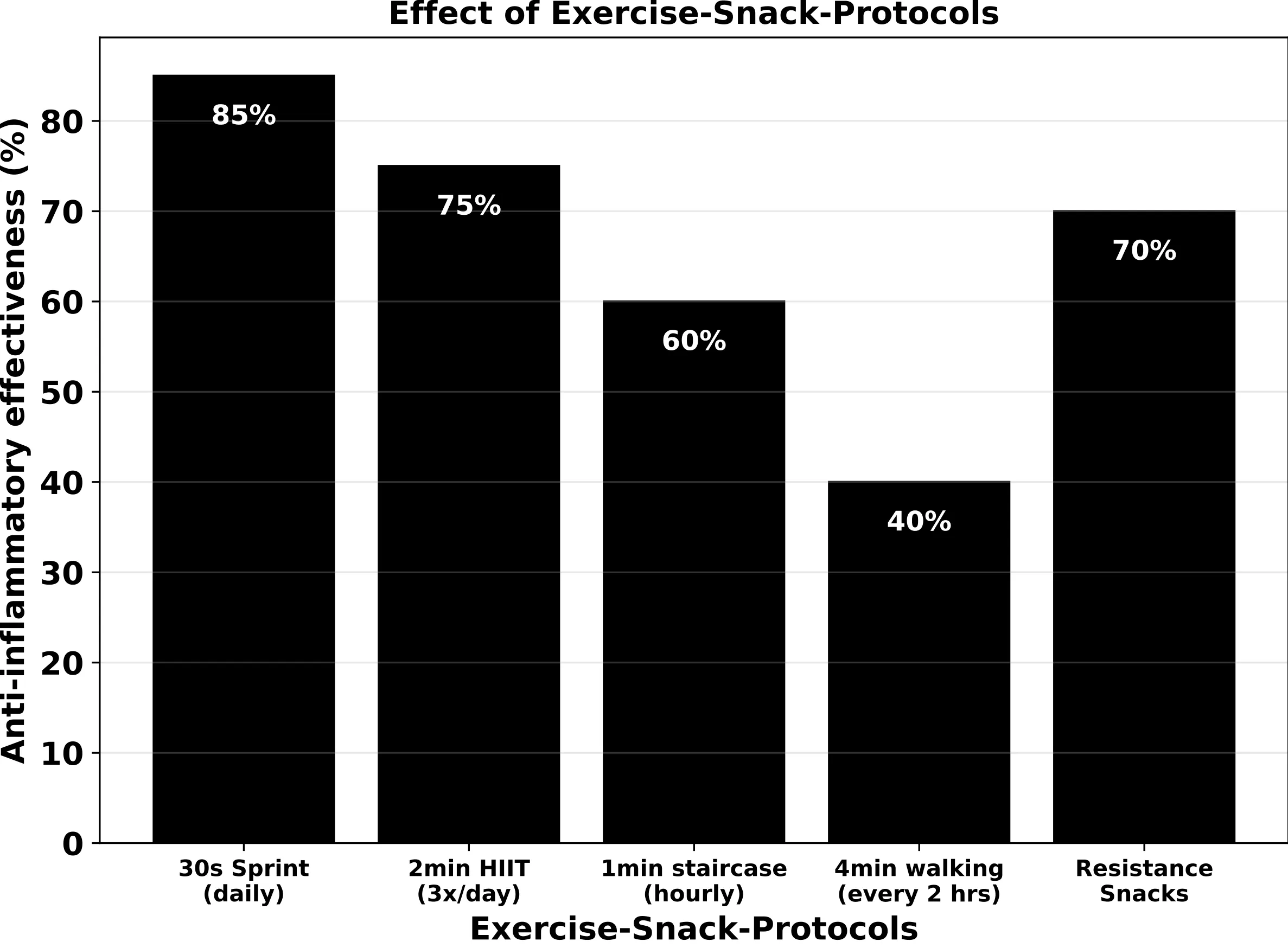
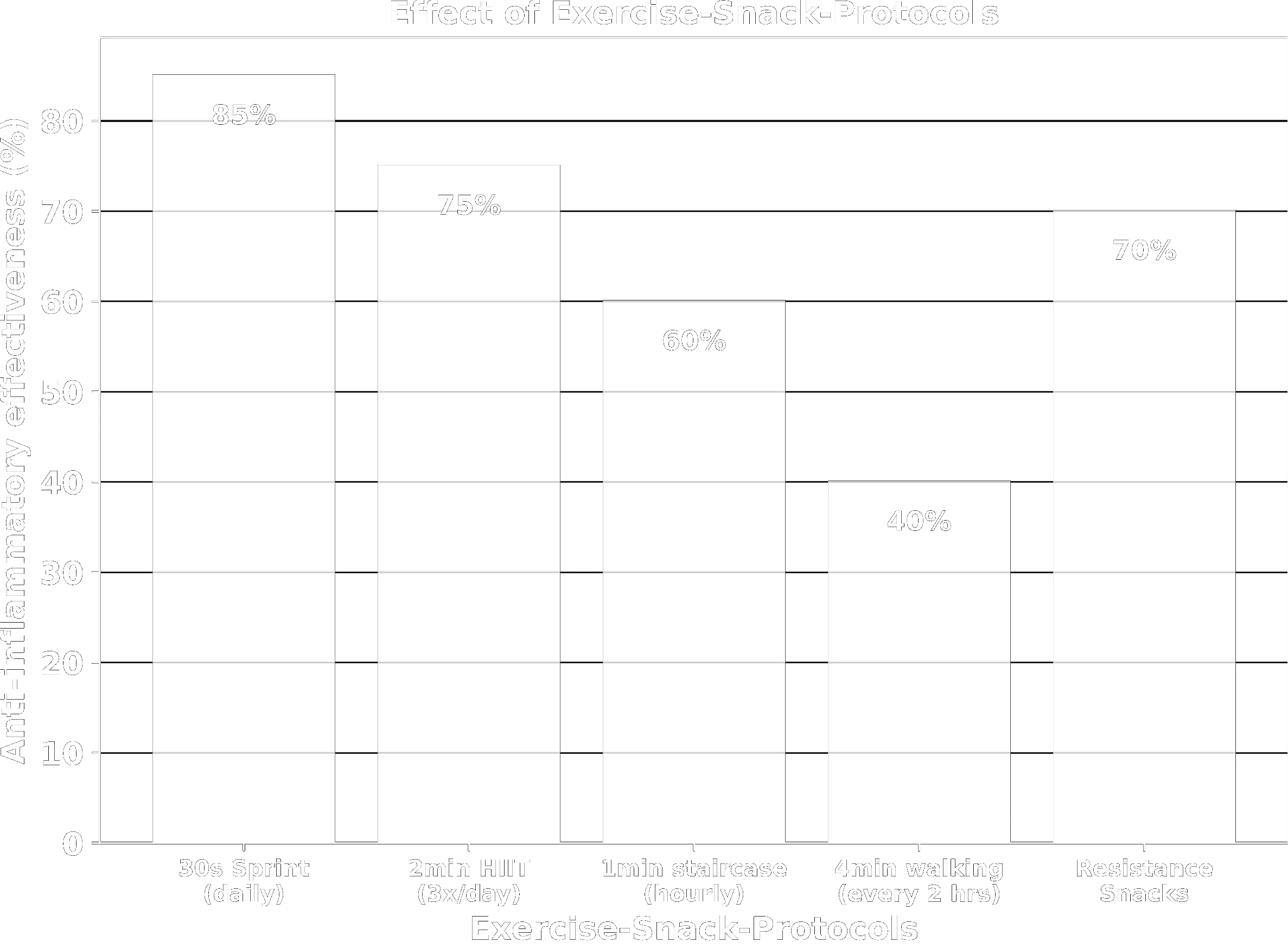
Exercise Snack protocols and anti-inflammatory efficacy (data: literature analysis). HIIT: high-intensity interval training.
One-Minute-Paper Topics
A One-Minute-Paper (OMP) is a short, focused prompt that students answer in ~60 seconds at the end of a session to consolidate learning, surface misconceptions, and provide formative feedback. When answering, be concise, specific, and use terminology from today’s session.
- Define “Exercise Snack” in one sentence, including duration and frequency.
- What is the rationale for distributing short bouts of activity throughout the day rather than consolidating them?
- Why is insulin-independent glucose uptake clinically relevant for people with insulin resistance?
- Name two muscular adaptations that can be elicited by repeated short, intense bouts.
- Summarise the VILPA evidence: 3 × 1–2 min bouts/day were associated with what mortality reduction?
- Why might VILPA be especially valuable for non-exercisers?
- Explain why muscle-derived IL-6 acts anti-inflammatorily while IL-6 in chronic disease does not.
Key References
- Babir FJ, Smith L, Patel R, et al. Technology-enabled exercise ‘snacks’ are feasible to perform in a real-world setting: a randomized controlled trial. Scand J Med Sci Sports, 2025. doi:10.1111/sms.70117.
- Bellini A, Rossi F, Bianchi M, et al. Exercise prescription for postprandial glycemic management. Nutrients, 2024. doi:10.3390/nu16081170.
- Bull FC, Al-Ansari SS, Biddle S, et al. World Health Organization 2020 guidelines on physical activity and sedentary behaviour. Br J Sports Med 54 (24), 2020: 1451–1462. doi:10.1136/bjsports-2020-102955.
- Carter S, Solomon TPJ. Exercise-induced improvements in postprandial glucose response are blunted by pre-exercise hyperglycemia: a randomized crossover trial in healthy individuals. Front Endocrinol (Lausanne), 2020. doi:10.3389/fendo.2020.566548.
- Chen J, Zhang Y, Li X, et al. The effectiveness of exercise snacks as a time-efficient treatment for improving cardiometabolic health in adults: a systematic review and meta-analysis. Front Cardiovasc Med, 2025. doi:10.3389/fcvm.2025.1643153.
- Costa Pereira LV, Silva J, Oliveira M, et al. Cardiometabolic and cellular adaptations to multiple vs single daily HIIT sessions in Wistar rats: impact of short-term detraining. Metabolites, 2024. doi:10.3390/metabo14080447.
- Flores-Opazo M, McGee SL, Hargreaves M. Exercise and GLUT4. Exerc Sport Sci Rev 48 (3), 2020: 110–118. doi:10.1249/JES.0000000000000224.
- Francois ME, Little JP, Bookman E, et al. ‘Exercise snacks’ before meals: a novel strategy to improve glycaemic control in individuals with insulin resistance. Diabetologia 57, 2014: 1437–1445. doi:10.1007/s00125-014-3244-6.
- GBD 2017 Causes of Death Collaborators. Global, regional, and national age-sex-specific mortality for 282 causes of death in 195 countries and territories, 1980–2017: a systematic analysis for the Global Burden of Disease Study 2017. Lancet 392 (10159), 2018: 1736–1788. doi:10.1016/S0140-6736(18)32203-7.
- Guo Y, Qian HZ, Xu X, Liu Q. Effects of different exercise modalities on inflammatory markers in the obese and overweight populations: unraveling the mystery of exercise and inflammation. Front Physiol, 2024. doi:10.3389/fphys.2024.1405094.
- Haunhorst S, Bloch W, Ringleb M, et al. Acute effects of heavy resistance exercise on biomarkers of neuroendocrine-immune regulation in healthy adults: a systematic review. Exerc Immunol Rev 28, 2022: 36–52.
- Islam H, Gibala MJ, Little JP. Exercise snacks: a novel strategy to improve cardiometabolic health. Exerc Sport Sci Rev 50 (1), 2022: 31–37. doi:10.1249/JES.0000000000000275.
- Khalafi M, Mohebbi H, Symonds ME, et al. The effects of exercise training on inflammatory markers in children and adolescents: a systematic review and meta-analysis. Physiol Behav, 2024. doi:10.1016/j.physbeh.2024.114524.
- Kliszczewicz B, Snarr RL, Esco MR, et al. Acute inflammatory responses to high-intensity functional training programming: an observational study. J Hum Sport Exerc, 2019. doi:10.14198/jhse.2019.144.18.
- Lawrence RD. The effect of exercise on insulin action in diabetes. Br Med J 1 (3406), 1926: 648–650. doi:10.1136/bmj.1.3406.648.
- Liu Y, Wang Y, Chen X, et al. Calorie restriction with exercise intervention improves inflammatory response in overweight and obese adults: a systematic review and meta-analysis. Front Physiol, 2021. doi:10.3389/fphys.2021.754731.
- Metsios GS, Kitas GD. Physical activity, exercise and rheumatoid arthritis: effectiveness, mechanisms and implementation. Best Pract Res Clin Rheumatol, 2018. doi:10.1016/j.berh.2019.03.013.
- Netea MG, Balkwill F, Chonchol M, et al. A guiding map for inflammation. Nat Immunol 18 (8), 2017: 826–831. doi:10.1038/ni.3790.
- Perkin OJ, McGuigan PM, Stokes KA. Exercise snacking to improve muscle function in healthy older adults: a pilot study. J Aging Res 2019, 2019: 7516939. doi:10.1155/2019/7516939.
- Radom-Aizik S, Zaldivar F, Haddad F, Cooper DM. Impact of brief exercise on circulating monocyte gene and microRNA expression: implications for atherosclerotic vascular disease. Brain Behav Immun, 2014. doi:10.1016/j.bbi.2014.01.003.
- Ringleb M, Javelle F, Haunhorst S, et al. Beyond muscles: investigating immunoregulatory myokines in acute resistance exercise — a systematic review and meta-analysis. FASEB J 38 (7), 2024: e23596. doi:10.1096/fj.202301619R.
- Roy D, Marette A. Exercise induces the translocation of GLUT4 to transverse tubules from an intracellular pool in rat skeletal muscle. Biochem Biophys Res Commun 223 (1), 1996: 147–152. doi:10.1006/bbrc.1996.0860.
- Schnurr TM, Reynolds AJ, Komac AM, et al. The effect of acute exercise on GLUT4 levels in peripheral blood mononuclear cells of sled dogs. Biochem Biophys Rep 2, 2015: 45–49. doi:10.1016/j.bbrep.2015.05.002.
- Shen MM. Exercise snacks: a novel strategy to improve cardiometabolic health. Exerc Sport Sci Rev, 2022. doi:10.1249/jes.0000000000000275.
- Slavich GM. Understanding inflammation, its regulation, and relevance for health: a top scientific and public priority. Brain Behav Immun 45, 2015: 13–14. doi:10.1016/j.bbi.2014.10.012.
- Sohail MU, Yassine HM, Sohail A, et al. Impact of physical exercise on gut microbiome, inflammation, and the pathobiology of metabolic disorders. Rev Diabet Stud, 2019. doi:10.1900/RDS.2019.15.35.
- Soltani N, Ghasemi A, Asadi M, et al. The exercise training modulatory effects on the obesity-induced immunometabolic dysfunctions. Diabetes Metab Syndr Obes, 2020. doi:10.2147/DMSO.S234992.
- Stamatakis E, Ahmadi MN, Gill JMR, et al. Association of wearable device-measured vigorous intermittent lifestyle physical activity with mortality. Nat Med 28 (12), 2022: 2521–2529. doi:10.1038/s41591-022-02100-x.
- Wan K, Lee S, Chen J, et al. Effects of exercise snacks on cardiometabolic health and body composition in adults: a systematic review and meta-analysis. Scand J Med Sci Sports, 2025. doi:10.1111/sms.70114.
- Wang T, Laher I, Li S. Exercise snacks and physical fitness in sedentary populations. Sports Med Health Sci, 2024. doi:10.1016/j.smhs.2024.02.006.
2 Physiological Mechanisms of Short Training Bouts
Learning objectives:
- The two insulin-independent, AMPK-convergent energy-metabolism axes (GLUT4, LPL)
- The three temporally staggered phases of muscular adaptation (AMPK/PGC-1α → mTORC1 → satellite cells)
- The Fick-equation framework (central vs peripheral) and the three immunological axes converging on NF-κB suppression
2.1 Energy Metabolism
Key outcomes: ↓ Blood glucose · ↓ Triglycerides
Short bouts activate two parallel, insulin-independent metabolic axes that lower plasma glucose and triglycerides within minutes.
GLUT4 translocation. Muscle contractions raise the AMP/ATP ratio and activate Ca²⁺/calmodulin-dependent kinases, both triggering AMPK. Activated AMPK drives GLUT4 vesicles from intracellular depots to the plasma membrane — without insulin — giving rapid glucose uptake and a fall in blood glucose. The effect sets in within minutes and persists 1–4 hours post-exercise, valuable for postprandial glycaemic control in T2DM and insulin resistance (Lawrence 1926; Roy & Marette 1996; Flores-Opazo et al. 2020).
LPL activity. Lipoprotein lipase on the muscle capillary endothelium cleaves triglycerides from VLDL and chylomicrons into free fatty acids. Contractions increase LPL activity via AMPK and enhance capillary perfusion, so plasma triglycerides and VLDL fall and muscle fatty-acid oxidation rises.
Convergence. Both axes share AMPK as the central sensor and converge on reduced insulin resistance and lower cardiovascular risk — the core metabolic protective effect.
Exercise Snacks — energy-metabolism signalling. Both the GLUT4 and LPL axes operate insulin-independently via AMPK, converging on reduced insulin resistance and lower cardiovascular risk.
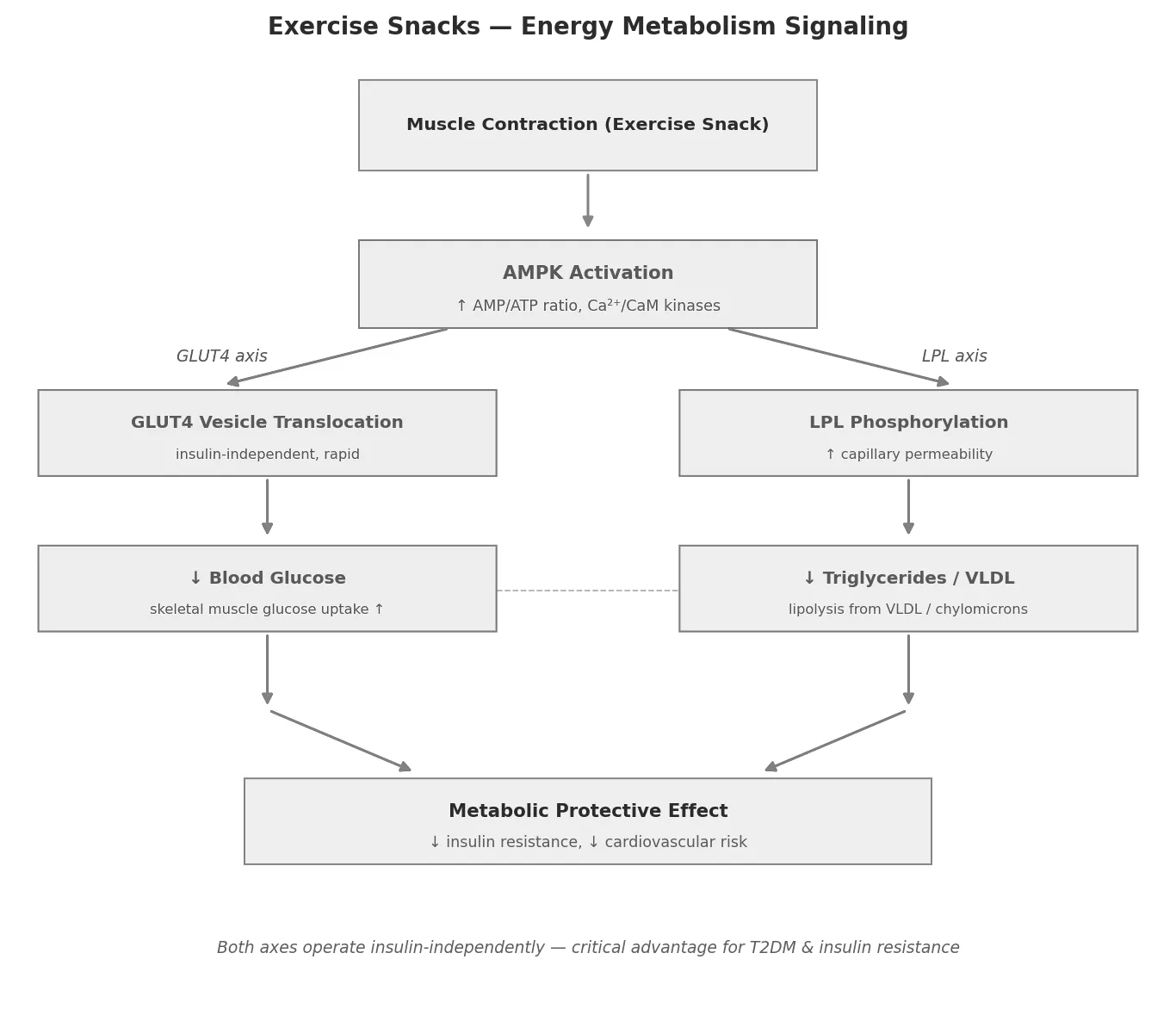
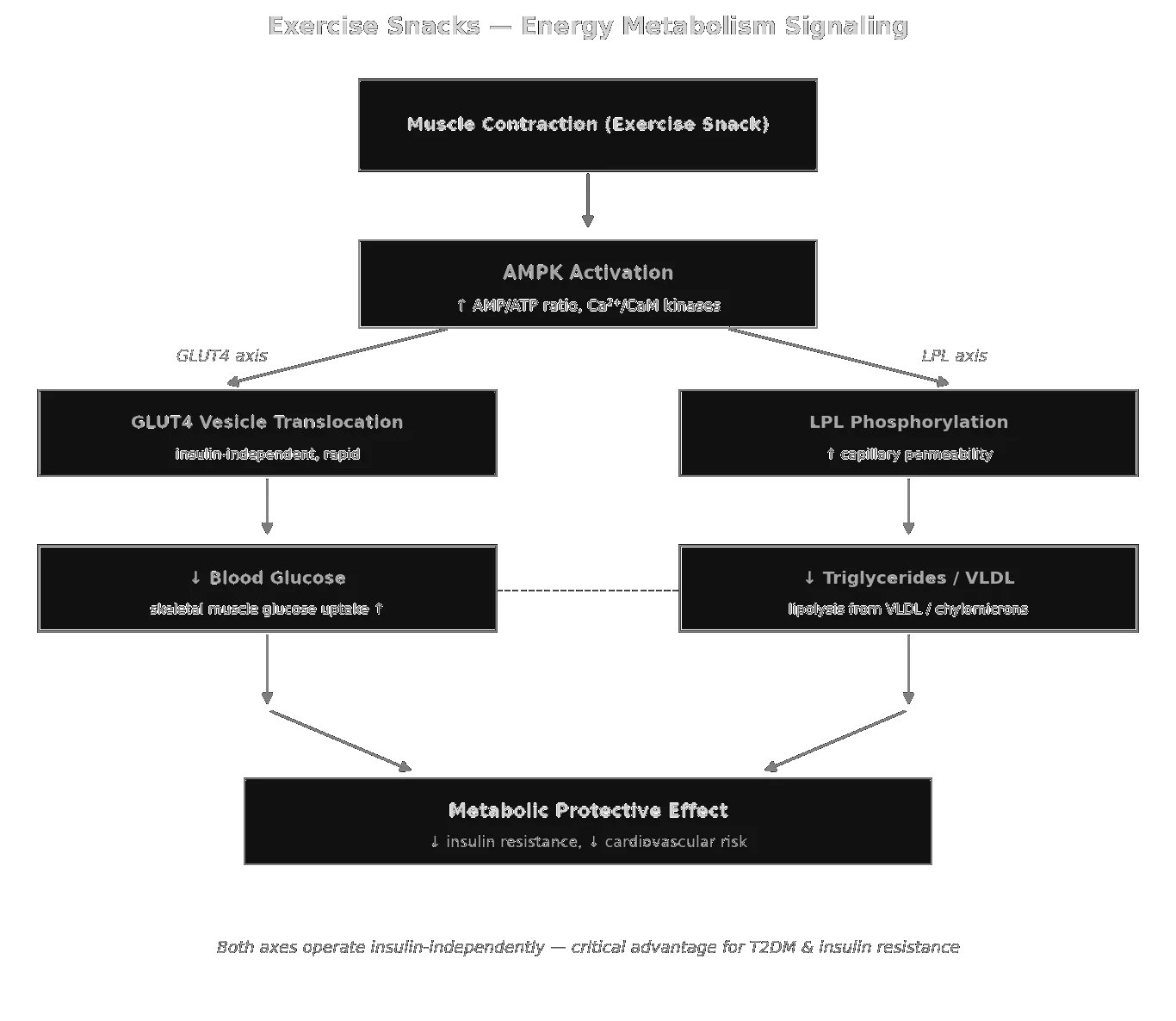
Exercise Snacks — energy-metabolism signalling. Both the GLUT4 and LPL axes operate insulin-independently via AMPK, converging on reduced insulin resistance and lower cardiovascular risk.
2.2 Muscle Structure and Function
Key outcomes: ↑ Maximal leg strength · ↑ Muscle cross-sectional area
Muscular adaptations unfold across three temporally staggered phases.
Acute (minutes–hours): AMPK/PGC-1α axis. Contractions activate AMPK, which phosphorylates PGC-1α and drives its nuclear translocation; PGC-1α co-activates PPARγ and initiates transcription of mitochondrial and myofibrillar genes, while neuromuscular recruitment improves fibre conduction velocity.
Subacute (hours–days): myofibrillar protein synthesis. mTORC1 is activated via mechanical stress and IGF-1, increasing translation of myosin-heavy-chain and actin mRNAs; the PPARγ/PGC-1α complex amplifies this via higher mitochondrial ATP. Even short bouts open the anabolic window provided mechanical tension is adequate.
Chronic (weeks–months): satellite-cell activation and hypertrophy. Mechanical stress activates satellite cells via Hepatocyte Growth Factor (HGF) and Mechano Growth Factor (MGF); they proliferate, differentiate and fuse with existing fibres, raising myonuclei number and cross-sectional area — the slowest but most durable adaptation.
Clinical note (ME/CFS / Post-COVID): mTORC1 activation through exercise may trigger post-exertional malaise rather than hypertrophy in populations with mitochondrial dysfunction — highlighting the need for wearable-based PEM monitoring as a safeguard.
Exercise Snacks — muscle signalling: three staggered phases from acute AMPK/PGC-1α through mTORC1-driven protein synthesis to satellite-cell hypertrophy.
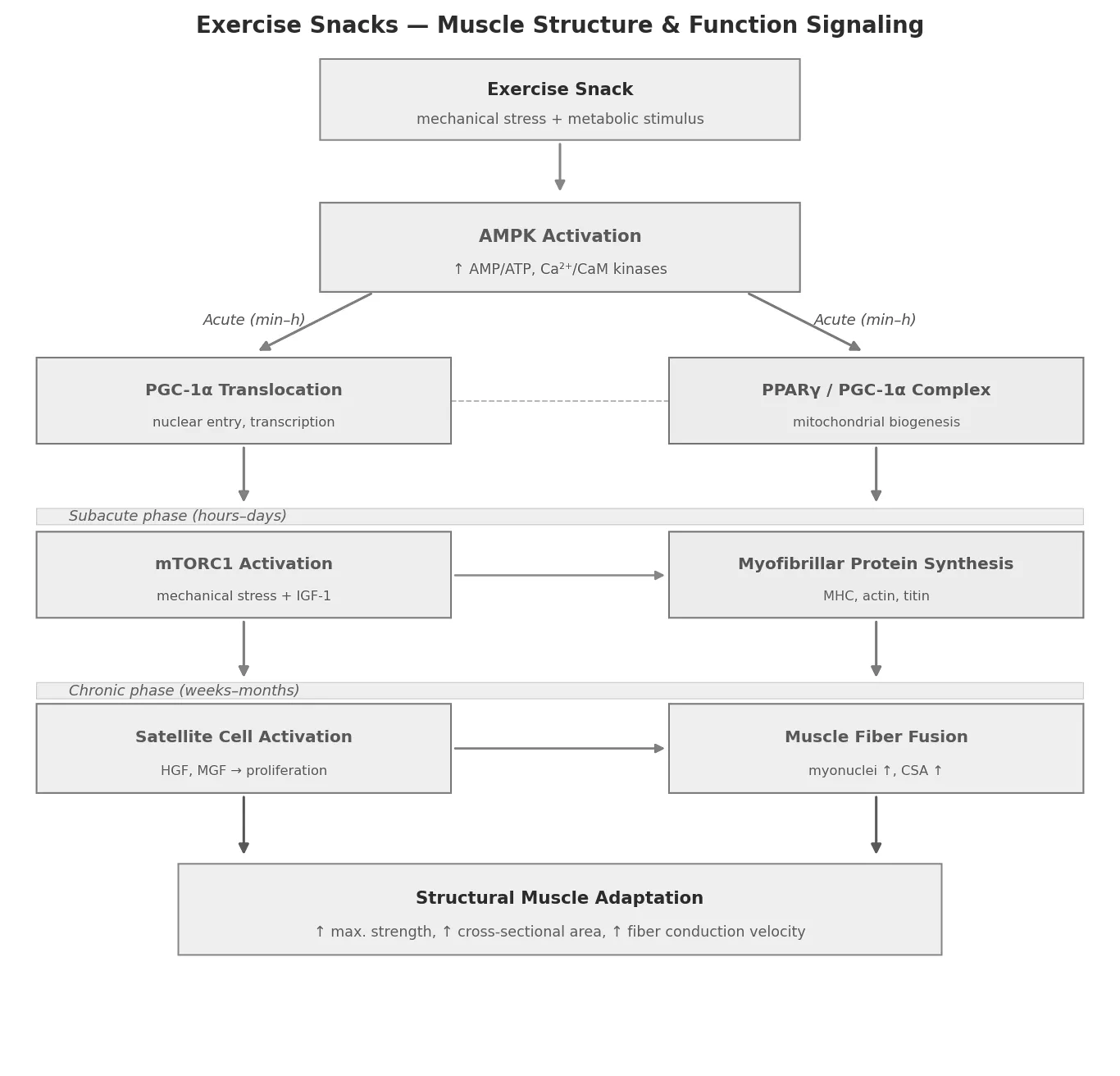
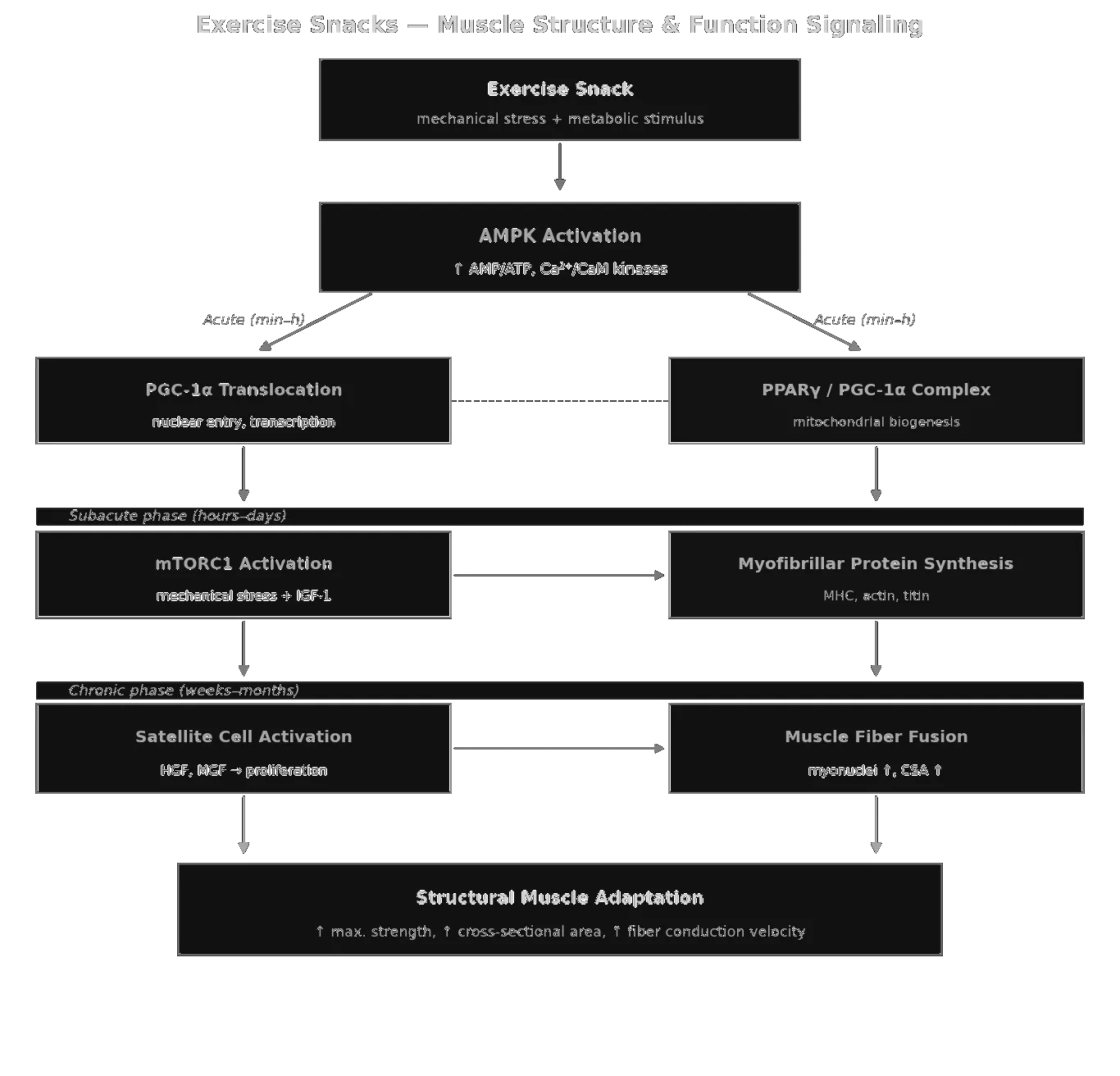
Exercise Snacks — muscle signalling: three staggered phases from acute AMPK/PGC-1α through mTORC1-driven protein synthesis to satellite-cell hypertrophy.
2.3 Aerobic Capacity
Key outcomes: ↑ Oxygen uptake · ↑ Performance
Aerobic gains operate through two coupled systems framed by the Fick equation:
Exercise Snacks act on both sides — centrally (cardiac output, CO) and peripherally (arteriovenous oxygen difference, a-vO₂ diff).
Central adaptations. Repeated bouts acutely raise heart rate and stroke volume; over time, baroreceptor training improves autonomic cardiac regulation (HRV) and cardiac remodelling raises resting stroke volume.
Peripheral adaptations — the dominant pathway for Exercise Snacks:
- Mitochondrial biogenesis (via PGC-1α): higher oxidative capacity per fibre
- Capillary angiogenesis (via VEGF): shorter O₂ diffusion distance
- Myoglobin concentration ↑: intracellular O₂ buffering
Together these widen the a-vO₂ diff — the muscle extracts more O₂ per unit blood flow.
Contrast with continuous training, which primarily raises CO. Exercise Snacks disproportionately target the peripheral side — relevant where cardiac adaptation is limited (deconditioning, autonomic dysfunction in Long COVID).
Exercise Snacks — aerobic-capacity signalling: central (CO) and peripheral (a-vO₂ diff) adaptations framed by the Fick equation, with snacks disproportionately targeting the peripheral side.
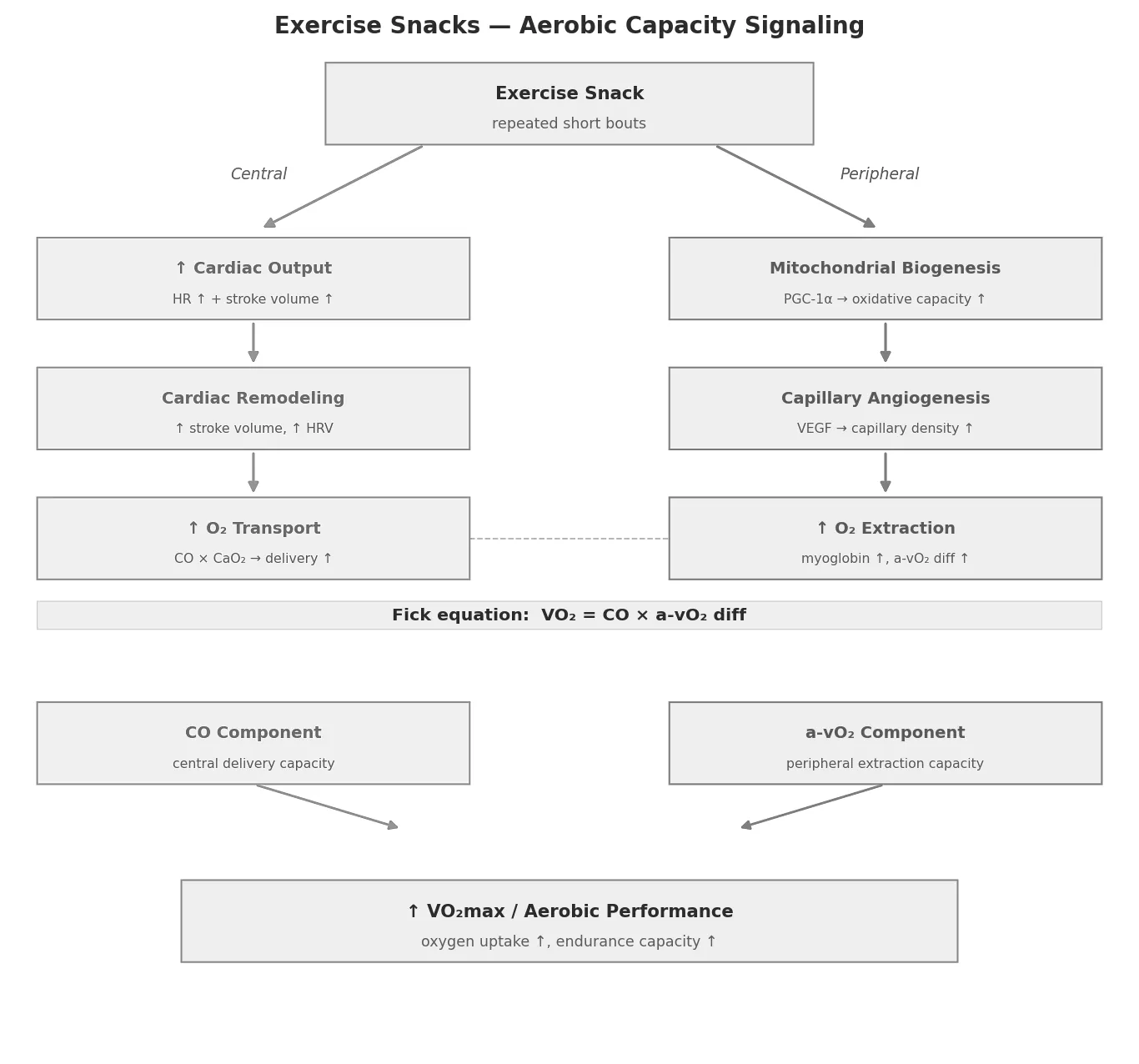
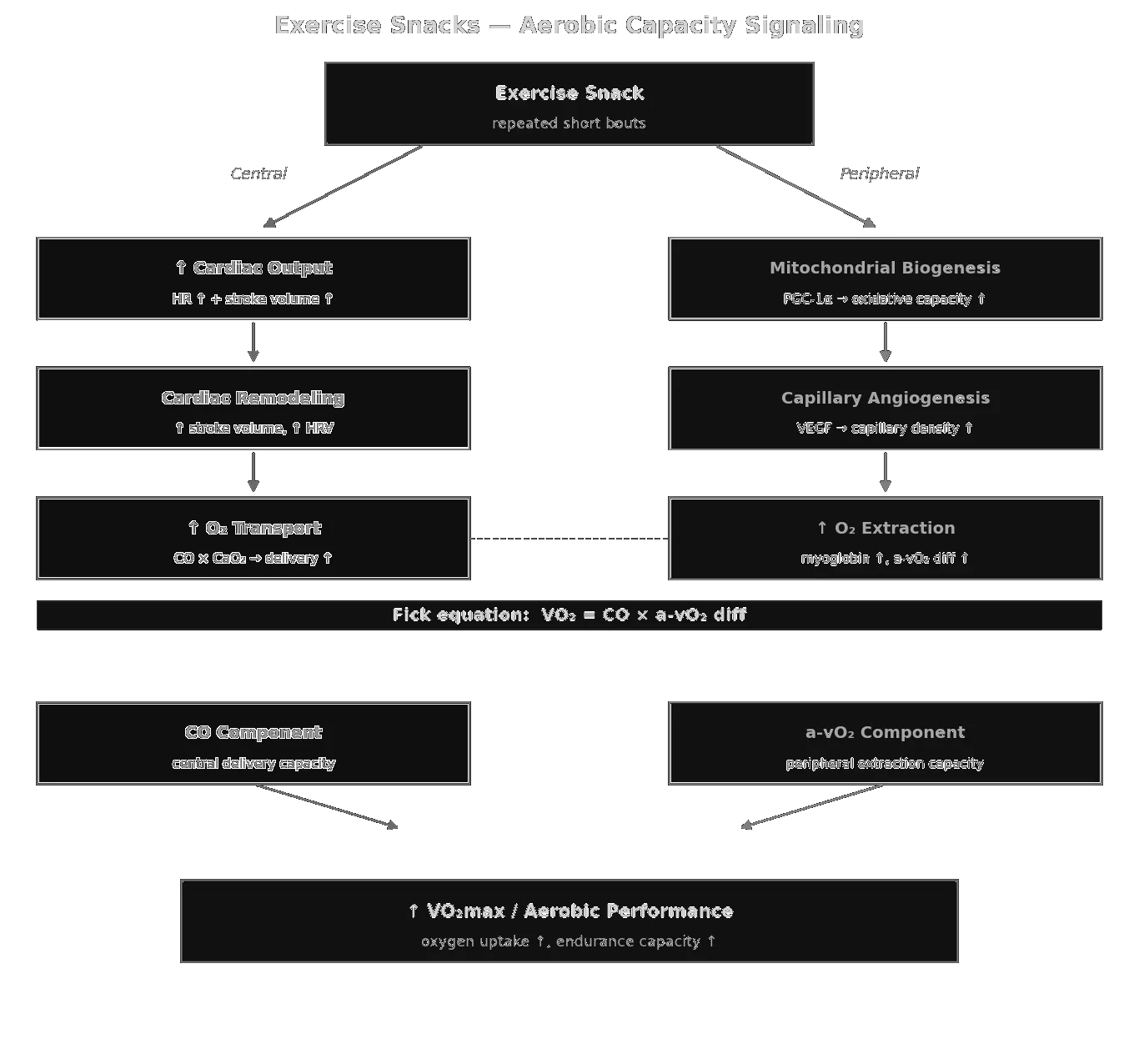
Exercise Snacks — aerobic-capacity signalling: central (CO) and peripheral (a-vO₂ diff) adaptations framed by the Fick equation, with snacks disproportionately targeting the peripheral side.
2.4 Immunological Signalling Pathways
Key outcomes: ↑ Myokine release · ↑ Transcriptional reprogramming of immune cells
The immunological effect is the most complex domain, connecting muscle, immune system and gut across three parallel axes — all converging on NF-κB suppression.
Axis 1 — muscle as endocrine organ (myokines). Contracting muscle secretes cytokines (myokines). IL-6 is the most prominent: released transiently, it acts anti-inflammatorily (distinct from chronically elevated IL-6 in obesity), stimulates IL-10, and suppresses TNF-α. IL-15 promotes NK-cell proliferation; irisin influences T-cell differentiation. Kinetics are decisive — brief transient peaks are immunoprotective, chronic elevation is pro-inflammatory (Haunhorst et al. 2022; Ringleb et al. 2024).
Axis 2 — transcriptional reprogramming of immune cells. Mechanical loading and myokines drive: NF-κB suppression via IL-10 (↓ TNF-α, IL-1β); Nrf2 induction (antioxidant enzymes, HO-1, competing with NF-κB for co-activators); M1 → M2 macrophage polarisation, i.e. a shift from a pro-inflammatory to a reparative phenotype; and Treg expansion via IL-10 and TGF-β, producing immune tolerance (Radom-Aizik et al. 2014).
Axis 3 — microbiome-mediated metabolites. Regular short bouts increase gut-microbiome diversity and short-chain fatty acids (SCFAs: butyrate, propionate). SCFAs bind GPR41/GPR43 on immune cells, inhibit HDAC, and epigenetically modulate cytokine production; butyrate directly suppresses NF-κB in colonocytes and macrophages.
Research connection (ME/CFS / Long COVID): dysbiosis with reduced SCFA producers (Faecalibacterium prausnitzii, Roseburia) is consistently reported; Exercise Snacks may rehabilitate this axis. The SCFA–NF-κB–EV-miRNA triangle is a direct entry point for EV-associated miRNA biomarker studies — snacks could shift EV cargo toward anti-inflammatory miRNA profiles.
Exercise Snacks — immunological signalling: three parallel axes (myokines, transcriptional reprogramming, microbiome metabolites) converging on NF-κB suppression.
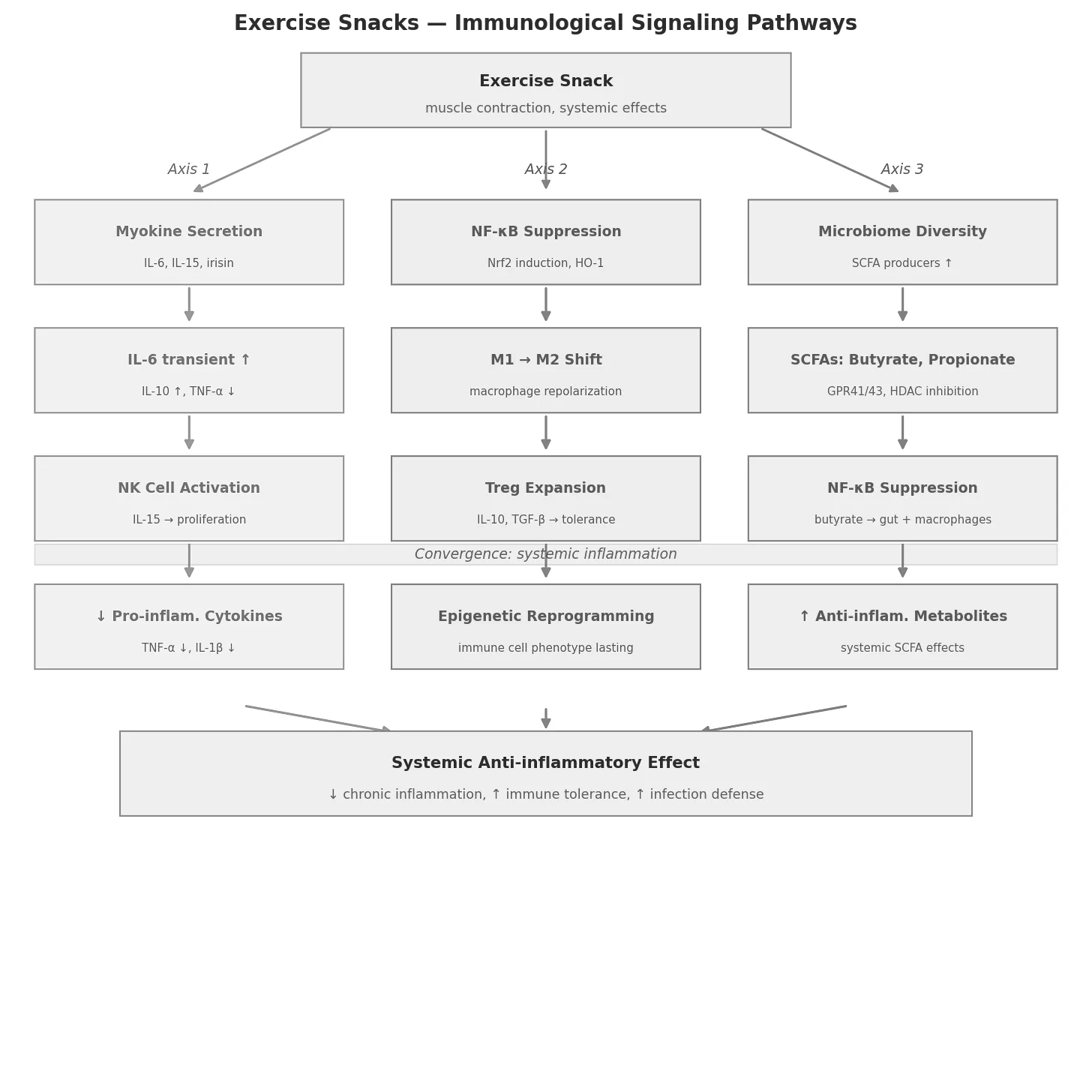
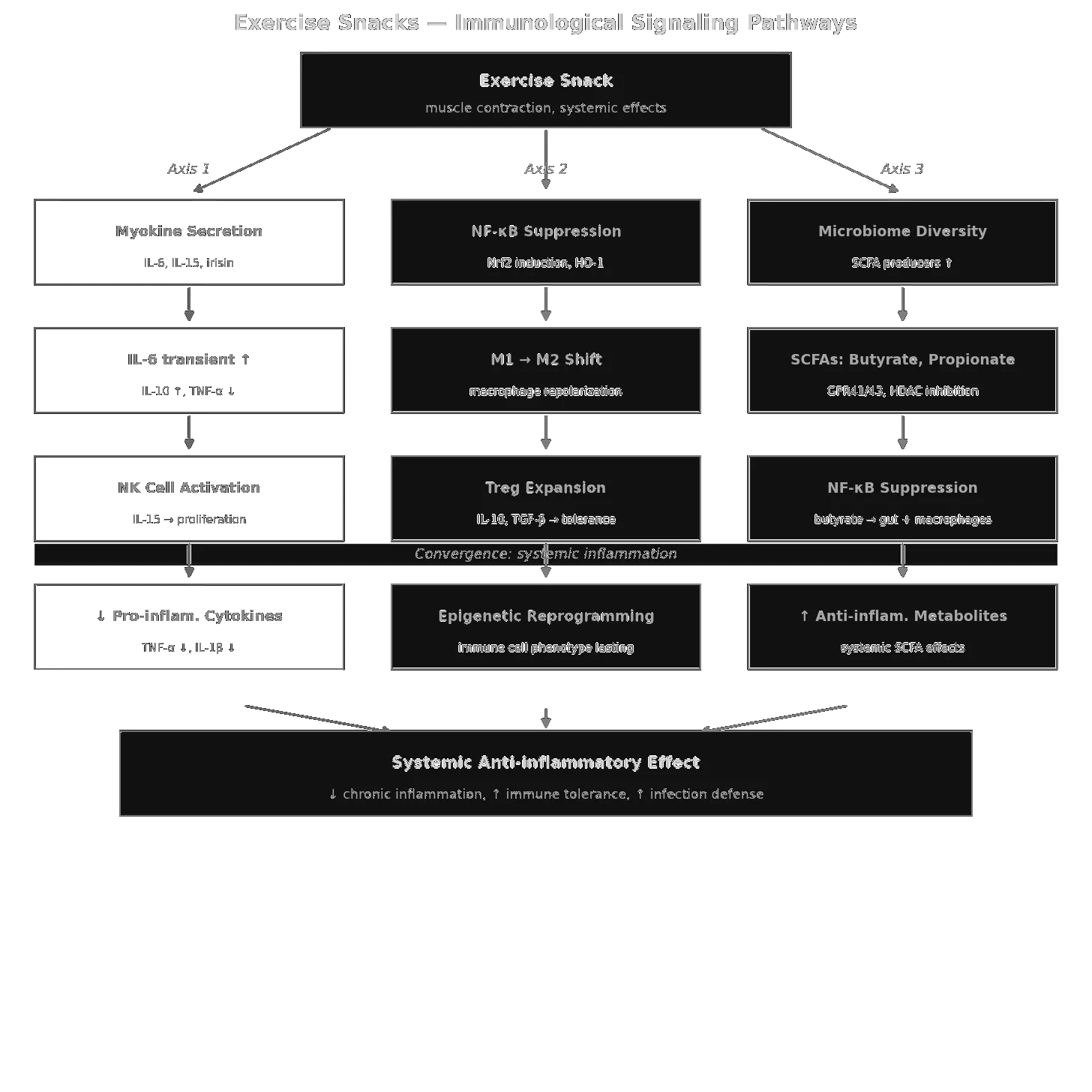
Exercise Snacks — immunological signalling: three parallel axes (myokines, transcriptional reprogramming, microbiome metabolites) converging on NF-κB suppression.
2.5 Interactive Dashboard and Summary
An interactive HTML dashboard visualises all four physiological domains (energy metabolism, muscle signalling, aerobic capacity, immunological pathways) with animated pathway diagrams, tabbed panels and integrated references.
→ Interactive Dashboard — Physiological Mechanisms
The four domains on a shared logarithmic time axis, from the stimulus to the adaptation. Energy metabolism responds within minutes to hours, immune signalling over hours to weeks, muscle structure over hours to months, and aerobic capacity only after weeks — which is why a single snack is measurable in glucose but not in V̇O₂max. Central mediators are named below each bar.
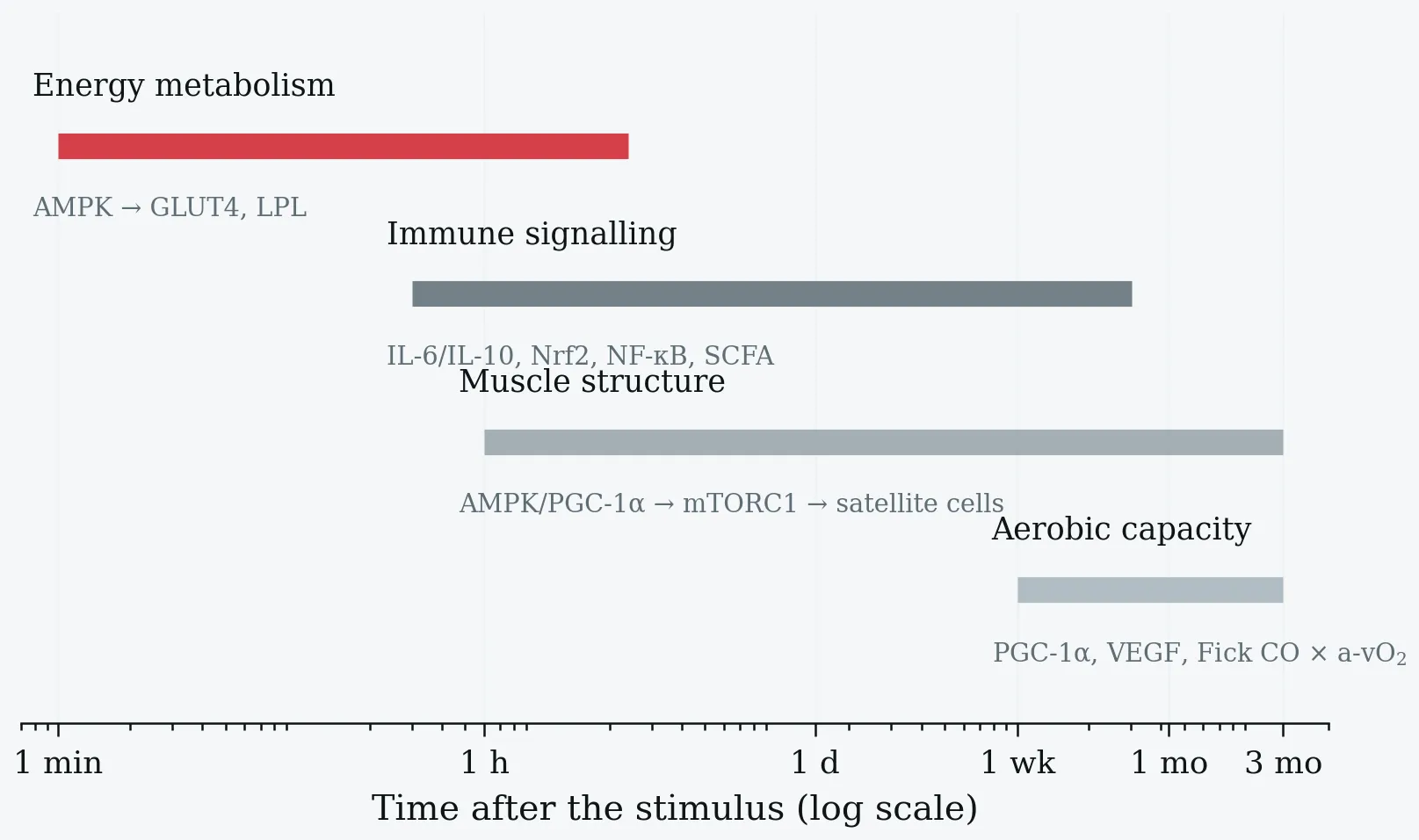
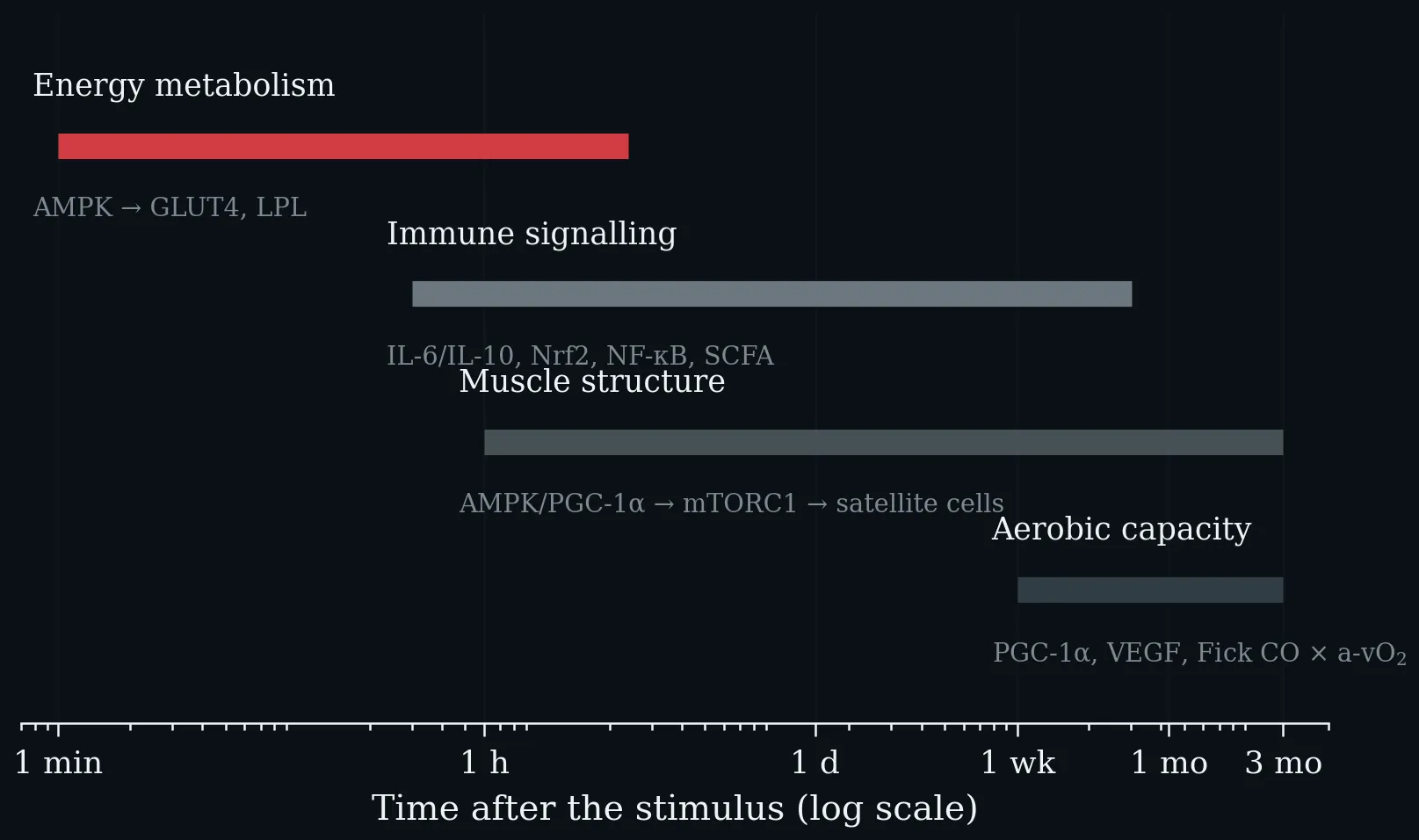
The four domains on a shared logarithmic time axis, from the stimulus to the adaptation. Energy metabolism responds within minutes to hours, immune signalling over hours to weeks, muscle structure over hours to months, and aerobic capacity only after weeks — which is why a single snack is measurable in glucose but not in V̇O₂max. Central mediators are named below each bar.
Summary of the four physiological domains affected by Exercise Snacks, with primary outcomes, central mediators and timeframe.
| Domain | Primary Outcomes | Central Mediators | Timeframe |
|---|---|---|---|
| Energy Metabolism | ↓ Blood glucose, ↓ Triglycerides | AMPK, GLUT4, LPL | Minutes–hours |
| Muscle Structure | ↑ Strength, ↑ CSA | AMPK, mTORC1, PGC-1α, satellite cells | Hours–months |
| Aerobic Capacity | ↑ V̇O₂max, ↑ Performance | PGC-1α, VEGF, Fick CO × a-vO₂ | Weeks–months |
| Immune Signalling | ↓ Inflammation, ↑ Tolerance | IL-6/IL-10, Nrf2, NF-κB, SCFAs | Hours–weeks |
Summary of the four physiological domains affected by Exercise Snacks, with primary outcomes, central mediators and timeframe.
One-Minute-Paper Topics
A One-Minute-Paper (OMP) is a short, focused prompt that students answer in ~60 seconds at the end of a session to consolidate learning, surface misconceptions, and provide formative feedback. When answering, be concise, specific, and use terminology from today’s session.
- Explain how muscle contraction triggers insulin-independent GLUT4 translocation, and name the central sensor shared with the LPL axis.
- Describe the three temporally staggered phases of muscular adaptation and their principal mediators.
- Explain the Fick equation in one sentence and identify which term Exercise Snacks affect most.
- How can brief intense bouts improve aerobic capacity despite their short duration?
- Name one myokine released during contraction and one of its immune effects, and explain how NF-κB suppression produces anti-inflammatory effects.
Key References
- Flores-Opazo M, McGee SL, Hargreaves M. Exercise and GLUT4. Exerc Sport Sci Rev 48 (3), 2020: 110–118. doi:10.1249/JES.0000000000000224.
- Haunhorst S, Bloch W, Ringleb M, et al. Acute effects of heavy resistance exercise on biomarkers of neuroendocrine-immune regulation in healthy adults: a systematic review. Exerc Immunol Rev 28, 2022: 36–52.
- Lawrence RD. The effect of exercise on insulin action in diabetes. Br Med J 1 (3406), 1926: 648–650. doi:10.1136/bmj.1.3406.648.
- Radom-Aizik S, Zaldivar F, Haddad F, Cooper DM. Impact of brief exercise on circulating monocyte gene and microRNA expression: implications for atherosclerotic vascular disease. Brain Behav Immun, 2014. doi:10.1016/j.bbi.2014.01.003.
- Ringleb M, Javelle F, Haunhorst S, et al. Beyond muscles: investigating immunoregulatory myokines in acute resistance exercise — a systematic review and meta-analysis. FASEB J 38 (7), 2024: e23596. doi:10.1096/fj.202301619R.
- Roy D, Marette A. Exercise induces the translocation of GLUT4 to transverse tubules from an intracellular pool in rat skeletal muscle. Biochem Biophys Res Commun 223 (1), 1996: 147–152. doi:10.1006/bbrc.1996.0860.
3 Prescription and Clinical Translation
Learning objectives:
- When Exercise Snacks complement rather than replace medication and dietary intervention
- Constructing a prescription with intensity anchors (%HRmax, RPE CR10)
- Safety and monitoring considerations, including the PEM caveat
3.1 When Snacks Help and When They Do Not
Exercise Snacks are a highly promising, time-efficient strategy for improving cardiometabolic health, particularly in inactive individuals. They have local and systemic effects on energy metabolism, musculature, cardiovascular and cardiometabolic function, and immunological (dys)regulation, and provide a low-threshold entry into physical activity through brief strenuous exertions integrable into everyday life.
Two caveats matter for prescription. In pre-existing conditions (e.g. type 2 diabetes), Exercise Snacks may act additively to medication (e.g. insulin). And movement snacks alone, without dietary intervention, often do not produce significant weight loss. For sustainable weight reduction, combine movement (including Exercise Snacks), controlled nutrition, and — where applicable — behavioural and environmental interventions.
3.2 Example Exercise Snack Protocol
Example protocol for the patient from §1.1. Designed to maximise health benefit time-efficiently.
- Each one-minute snack is performed at high to very high intensity: target ≥75–85 % of maximal heart rate (HRmax = 211 − 0.65 × age; see also ntnu.edu/cerg/hrmax) or RPE 7–10 on the Borg CR10 scale (7–10 = “very hard” to “maximal”; you should feel you are working hard and be unable to speak in full sentences).
- Rest phases serve recovery and should be low-intensity or passive.
Example Exercise Snack protocol for the patient presented in §1.1, with exercise, duration and intensity recommendation.
| Step/Exercise | Duration | Exercise Example | Intensity Recommendation |
|---|---|---|---|
| Exercise 1 | 1 min | Stair climbing | Strong–very strong: ≥75–85 % HRmax, ≥85 % V̇O₂max, RPE 7–10 (CR10), “as intense as possible” |
| Pause | 45 min | Passive recovery | Low (active or passive recovery) |
| Exercise 2 | 1 min | Squats | Strong–very strong: ≥75–85 % HRmax, ≥85 % V̇O₂max, RPE 7–10 (CR10) |
| Pause | 45 min | Passive recovery | Low (active or passive recovery) |
| Exercise 3 | 1 min | Brisk walking (uphill) | Strong: ≥75 % HRmax, RPE 7–8 (CR10), “as fast as possible” |
| Pause | 45 min | Passive recovery | Low (active or passive recovery) |
| Exercise 4 | 1 min | Step-ups | Strong–very strong: ≥75–85 % HRmax, RPE 7–10 (CR10) |
| Pause | 45 min | Passive recovery | Low (active or passive recovery) |
| Exercise 5 | 1 min | Jumping jacks | Strong–very strong: ≥75–85 % HRmax, RPE 7–10 (CR10) |
| Pause | 45 min | Passive recovery | Low (active or passive recovery) |
| Exercise 6 | 1 min | Lunges | Strong–very strong: ≥75–85 % HRmax, RPE 7–10 (CR10) |
Example Exercise Snack protocol for the patient presented in §1.1, with exercise, duration and intensity recommendation.
RPE (Borg CR10 scale) — category rating 0–10: 0 = no exertion, 2 = light, 5 = heavy, 7 = very heavy, 10 = extremely strenuous / nearly maximal (Hareendran et al. 2012).
3.3 Interactive Dashboard — Blood and Serum Parameters
An interactive HTML dashboard outlining metabolic, inflammatory and trace-element responses.
→ Interactive Dashboard — Exercise Effects on Blood & Serum Parameters
One-Minute-Paper Topics
A One-Minute-Paper (OMP) is a short, focused prompt that students answer in ~60 seconds at the end of a session to consolidate learning, surface misconceptions, and provide formative feedback. When answering, be concise, specific, and use terminology from today’s session.
- Compare Exercise Snacks with traditional moderate-to-vigorous physical activity guidelines in terms of feasibility.
- Sketch a sample one-day Exercise Snack protocol for a sedentary office worker.
- What safety considerations apply when prescribing Exercise Snacks to a cardiac-rehabilitation patient?
- Could Exercise Snacks be appropriate for patients with post-exertional malaise (PEM)? Justify your answer.
- What measurement strategy could capture the cumulative effect of Exercise Snacks across a day?
- Identify one limitation of the current Exercise Snack evidence base.
- How would you design a randomised trial to test Exercise Snacks vs. one continuous session of equal total duration?
- What was the most surprising mechanistic insight from this lecture, and why?
- Which open question about Exercise Snacks would you most like to investigate yourself?
Key References
- Bull FC, Al-Ansari SS, Biddle S, et al. World Health Organization 2020 guidelines on physical activity and sedentary behaviour. Br J Sports Med 54 (24), 2020: 1451–1462. doi:10.1136/bjsports-2020-102955.
- Hareendran A, Leidy NK, Monz BU, et al. Proposing a standardized method for evaluating patient report of the intensity of dyspnea during exercise testing in COPD. Int J Chron Obstruct Pulmon Dis 7, 2012: 345–355. doi:10.2147/COPD.S29571.
- Stamatakis E, Ahmadi MN, Gill JMR, et al. Association of wearable device-measured vigorous intermittent lifestyle physical activity with mortality. Nat Med 28 (12), 2022: 2521–2529. doi:10.1038/s41591-022-02100-x.
References
- Babir FJ, Smith L, Patel R, et al. Technology-enabled exercise ‘snacks’ are feasible to perform in a real-world setting: a randomized controlled trial. Scand J Med Sci Sports, 2025. doi:10.1111/sms.70117.
- Bellini A, Rossi F, Bianchi M, et al. Exercise prescription for postprandial glycemic management. Nutrients, 2024. doi:10.3390/nu16081170.
- Bull FC, Al-Ansari SS, Biddle S, et al. World Health Organization 2020 guidelines on physical activity and sedentary behaviour. Br J Sports Med 54 (24), 2020: 1451–1462. doi:10.1136/bjsports-2020-102955.
- Carter S, Solomon TPJ. Exercise-induced improvements in postprandial glucose response are blunted by pre-exercise hyperglycemia: a randomized crossover trial in healthy individuals. Front Endocrinol (Lausanne), 2020. doi:10.3389/fendo.2020.566548.
- Chen J, Zhang Y, Li X, et al. The effectiveness of exercise snacks as a time-efficient treatment for improving cardiometabolic health in adults: a systematic review and meta-analysis. Front Cardiovasc Med, 2025. doi:10.3389/fcvm.2025.1643153.
- Costa Pereira LV, Silva J, Oliveira M, et al. Cardiometabolic and cellular adaptations to multiple vs single daily HIIT sessions in Wistar rats: impact of short-term detraining. Metabolites, 2024. doi:10.3390/metabo14080447.
- Flores-Opazo M, McGee SL, Hargreaves M. Exercise and GLUT4. Exerc Sport Sci Rev 48 (3), 2020: 110–118. doi:10.1249/JES.0000000000000224.
- Francois ME, Little JP, Bookman E, et al. ‘Exercise snacks’ before meals: a novel strategy to improve glycaemic control in individuals with insulin resistance. Diabetologia 57, 2014: 1437–1445. doi:10.1007/s00125-014-3244-6.
- GBD 2017 Causes of Death Collaborators. Global, regional, and national age-sex-specific mortality for 282 causes of death in 195 countries and territories, 1980–2017: a systematic analysis for the Global Burden of Disease Study 2017. Lancet 392 (10159), 2018: 1736–1788. doi:10.1016/S0140-6736(18)32203-7.
- Guo Y, Qian HZ, Xu X, Liu Q. Effects of different exercise modalities on inflammatory markers in the obese and overweight populations: unraveling the mystery of exercise and inflammation. Front Physiol, 2024. doi:10.3389/fphys.2024.1405094.
- Hareendran A, Leidy NK, Monz BU, et al. Proposing a standardized method for evaluating patient report of the intensity of dyspnea during exercise testing in COPD. Int J Chron Obstruct Pulmon Dis 7, 2012: 345–355. doi:10.2147/COPD.S29571.
- Haunhorst S, Bloch W, Ringleb M, et al. Acute effects of heavy resistance exercise on biomarkers of neuroendocrine-immune regulation in healthy adults: a systematic review. Exerc Immunol Rev 28, 2022: 36–52.
- Islam H, Gibala MJ, Little JP. Exercise snacks: a novel strategy to improve cardiometabolic health. Exerc Sport Sci Rev 50 (1), 2022: 31–37. doi:10.1249/JES.0000000000000275.
- Khalafi M, Mohebbi H, Symonds ME, et al. The effects of exercise training on inflammatory markers in children and adolescents: a systematic review and meta-analysis. Physiol Behav, 2024. doi:10.1016/j.physbeh.2024.114524.
- Kliszczewicz B, Snarr RL, Esco MR, et al. Acute inflammatory responses to high-intensity functional training programming: an observational study. J Hum Sport Exerc, 2019. doi:10.14198/jhse.2019.144.18.
- Lawrence RD. The effect of exercise on insulin action in diabetes. Br Med J 1 (3406), 1926: 648–650. doi:10.1136/bmj.1.3406.648.
- Liu Y, Wang Y, Chen X, et al. Calorie restriction with exercise intervention improves inflammatory response in overweight and obese adults: a systematic review and meta-analysis. Front Physiol, 2021. doi:10.3389/fphys.2021.754731.
- Metsios GS, Kitas GD. Physical activity, exercise and rheumatoid arthritis: effectiveness, mechanisms and implementation. Best Pract Res Clin Rheumatol, 2018. doi:10.1016/j.berh.2019.03.013.
- Netea MG, Balkwill F, Chonchol M, et al. A guiding map for inflammation. Nat Immunol 18 (8), 2017: 826–831. doi:10.1038/ni.3790.
- Perkin OJ, McGuigan PM, Stokes KA. Exercise snacking to improve muscle function in healthy older adults: a pilot study. J Aging Res 2019, 2019: 7516939. doi:10.1155/2019/7516939.
- Radom-Aizik S, Zaldivar F, Haddad F, Cooper DM. Impact of brief exercise on circulating monocyte gene and microRNA expression: implications for atherosclerotic vascular disease. Brain Behav Immun, 2014. doi:10.1016/j.bbi.2014.01.003.
- Ringleb M, Javelle F, Haunhorst S, et al. Beyond muscles: investigating immunoregulatory myokines in acute resistance exercise — a systematic review and meta-analysis. FASEB J 38 (7), 2024: e23596. doi:10.1096/fj.202301619R.
- Roy D, Marette A. Exercise induces the translocation of GLUT4 to transverse tubules from an intracellular pool in rat skeletal muscle. Biochem Biophys Res Commun 223 (1), 1996: 147–152. doi:10.1006/bbrc.1996.0860.
- Schnurr TM, Reynolds AJ, Komac AM, et al. The effect of acute exercise on GLUT4 levels in peripheral blood mononuclear cells of sled dogs. Biochem Biophys Rep 2, 2015: 45–49. doi:10.1016/j.bbrep.2015.05.002.
- Shen MM. Exercise snacks: a novel strategy to improve cardiometabolic health. Exerc Sport Sci Rev, 2022. doi:10.1249/jes.0000000000000275.
- Slavich GM. Understanding inflammation, its regulation, and relevance for health: a top scientific and public priority. Brain Behav Immun 45, 2015: 13–14. doi:10.1016/j.bbi.2014.10.012.
- Sohail MU, Yassine HM, Sohail A, et al. Impact of physical exercise on gut microbiome, inflammation, and the pathobiology of metabolic disorders. Rev Diabet Stud, 2019. doi:10.1900/RDS.2019.15.35.
- Soltani N, Ghasemi A, Asadi M, et al. The exercise training modulatory effects on the obesity-induced immunometabolic dysfunctions. Diabetes Metab Syndr Obes, 2020. doi:10.2147/DMSO.S234992.
- Stamatakis E, Ahmadi MN, Gill JMR, et al. Association of wearable device-measured vigorous intermittent lifestyle physical activity with mortality. Nat Med 28 (12), 2022: 2521–2529. doi:10.1038/s41591-022-02100-x.
- Wan K, Lee S, Chen J, et al. Effects of exercise snacks on cardiometabolic health and body composition in adults: a systematic review and meta-analysis. Scand J Med Sci Sports, 2025. doi:10.1111/sms.70114.
- Wang T, Laher I, Li S. Exercise snacks and physical fitness in sedentary populations. Sports Med Health Sci, 2024. doi:10.1016/j.smhs.2024.02.006.